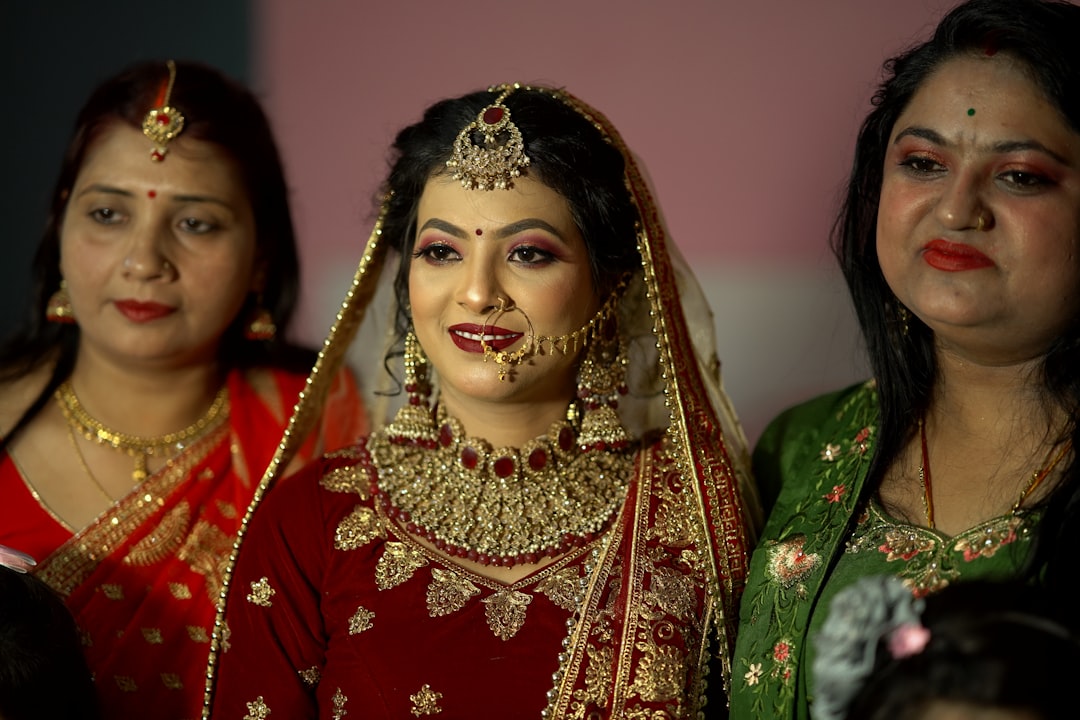
I am enthralled with the rich tapestry of Indian women’s fashion, which is woven from centuries of tradition, culture, & artistry, as I explore this dynamic realm. Indian fashion is more than just apparel; it is a representation of the various identities and narratives that influence women’s lives throughout the subcontinent. Every region, from the busy streets of Mumbai to the tranquil surroundings of Rajasthan, has distinctive fashions, textiles, and decorations that combine modern & traditional elements. By exploring the many facets of Indian women’s fashion, I hope to celebrate its modern development while also tracing its historical origins. In addition to their aesthetic value, traditional clothing items like the sari & salwar kameez also highlight the importance of these items in women’s lives.
Key Takeaways
- Indian women’s fashion is a rich tapestry of tradition, culture, and modern trends.
- Traditional Indian dress holds deep historical and cultural significance, reflecting the diversity of the country.
- The sari is a timeless classic in Indian women’s fashion, known for its elegance and versatility.
- The salwar kameez offers a blend of comfort and elegance, making it a popular choice for Indian women.
- The lehenga choli is a regal ensemble that exudes grace and sophistication in Indian fashion.
As I explore the different facets that make up Indian fashion, I want to encourage a greater understanding of its intricacy and allure. Traditional Indian clothing has a rich history that is as complex as the designs on exquisitely woven fabrics. Throughout India’s lengthy & diverse history, clothing has been used as a vehicle for cultural expression. This is something I frequently find myself thinking about.
Clothing has changed from ancient civilizations to the present, impacted by historical events, regional diversity, and social norms. Every article of apparel has a story that spans generations, which makes it an essential component of my cultural identity. In addition to being aesthetically pleasing, traditional Indian clothing also represents social standing, local identity, & even religious convictions. For example, some colors & styles are only appropriate for particular rituals or events, underscoring the significance of attire in commemorating important life events. I am reminded as I explore this rich history how traditional clothing acts as a link between the past and present, enabling me to embrace modern influences while maintaining a connection to my roots.
The sari is one of the many types of traditional clothing that is a timeless classic that has endured through the ages. Its versatility frequently captivates me; a single piece of fabric can be draped in an infinite number of ways, each of which reflects the wearer’s individuality and cultural upbringing. For centuries, women have worn the sari, which is more than just a piece of apparel; it is a symbol of elegance and femininity. The sari’s capacity to accommodate contemporary tastes while maintaining its traditional qualities is what most intrigues me about it.
| Traditional Dress | Region | Key Features |
|---|---|---|
| Saree | Throughout India | Unstitched garment draped around the body |
| Lehenga Choli | North India | Skirt, blouse, and dupatta ensemble |
| Anarkali Suit | Punjab | Long, flowy kurta paired with fitted bottoms |
| Salwar Kameez | Punjab | Loose-fitting trousers paired with a tunic |
| Kanjeevaram Sari | Tamil Nadu | Silk saree with rich zari work |
Every sari has a backstory, whether it’s a basic cotton sari for everyday wear or a gorgeously embroidered silk one for special events. As I experiment with various draping designs & materials, I value how this item of clothing lets me express my uniqueness while respecting my heritage. I frequently wear the salwar kameez in an effort to be comfortable without sacrificing style.
This outfit, which consists of loose-fitting trousers (salwar) and a tunic (kameez), is the ideal mix of style and comfort. This ensemble, which offers a functional yet fashionable choice for a variety of settings, has become a mainstay in the wardrobes of many Indian and international women, which I find impressive. Not only is the salwar kameez comfortable, but it also lets you be creative with the embellishment and design. Every piece, from elaborate embroidery to colorful prints, can be altered to suit individual preferences. I’m reminded as I try out various materials and designs how this adaptable ensemble can be dressed up or down, making it appropriate for both formal occasions and informal get-togethers.
The grandeur of a lehenga choli is unmatched when it comes to celebrating special occasions. This elegant ensemble, which typically includes a dupatta (scarf) and consists of a long skirt (lehenga) and a fitted blouse (choli), radiates luxury and refinement. The fine craftsmanship that goes into making each lehenga, from the ornate embroidery to the opulent fabrics, is what draws me in. I always feel like royalty when I’m wearing a lehenga choli, especially at festivals and weddings where the vivid hues and glittering decorations are the main attraction. A favorite among brides & bridesmaids alike, the lehenga’s flowing silhouette permits elegant movement.
Wearing this beautiful outfit makes me think of the cultural significance of celebrating family unity and love. The importance of jewelry & accessories cannot be overlooked in any study of Indian women’s fashion. The way that embellishments can transform an ensemble from average to exceptional has always captivated me. Indian jewelry has deep symbolic meanings & is frequently connected to wealth and good fortune, making it more than just ornamental.
A tale of artistry and tradition is told by every piece of jewelry, from delicate bangles to elaborate gold necklaces. My heritage and the generations of women who have worn similar items before me are connected to me as I accessorize myself with these lovely pieces. Traditional clothing can be made more beautiful with the right jewelry, which also lets me show off my own sense of fashion. The regional diversity of Indian women’s fashion is among its most alluring features. Every state takes pride in its distinct fashions, textiles, and methods that are a reflection of regional customs. I’m always in awe of how these regional variations add to the overall diversity of Indian fashion as I study them.
For example, the exquisite Kanjivaram silks from Tamil Nadu or the colorful bandhani saris from Gujarat exhibit unique color schemes & weaving techniques that are ingrained in their respective cultures. By adding regional accents to my wardrobe, I honor the craftspeople who uphold these customs while also celebrating diversity. I’m intrigued by how traditional elements are being updated for contemporary tastes as I make my way through the current Indian women’s fashion scene. In order to create pieces that appeal to today’s fashion-forward women, designers are increasingly fusing traditional craftsmanship with modern silhouettes.
I can embrace my cultural heritage & remain relevant in a globalized world thanks to this fusion. I’m especially inspired by the way that up-and-coming designers are experimenting with ethical and sustainable fashion to preserve the beauty of Indian clothing for coming generations. Supporting these initiatives gives me the confidence to make thoughtful decisions that honor the artistry of Indian fashion while also reflecting my values. In traditional Indian clothing, color is essential and frequently represents feelings, holidays, or cultural meaning. The way that colors can arouse emotions and transmit messages without using words strikes me as I experiment with different outfits. For example, white represents mourning and purity, while red is frequently connected to marriage & good fortune.
The fabric selection gives traditional clothing more depth as well. Every fabric, from airy cottons to opulent silks, has a distinct texture & drape that affects how an ensemble is viewed. I am reminded of how colors & fabrics can change the overall look of an ensemble while also expressing my mood or the occasion as I experiment with them in my wardrobe. It has been a rewarding experience to include Indian clothing in my wardrobe since it enables me to embrace contemporary styles while honoring my heritage. One piece of advice I would give is to start with pieces that can be worn with Western clothing to create a fusion look, such as a stylish dupatta or a basic cotton kurta.
I can introduce conventional styles gradually with this method without feeling overpowered. Another tip is to experiment with layering; mixing classic and modern clothing can result in distinctive looks that express my own style. Wearing bold jewelry with regular clothes or a lehenga skirt with a casual t-shirt, for example, can give my outfit a fun twist.
I can make fashionable yet meaningful ensembles by experimenting with different combinations. As I wrap up my investigation into Indian women’s fashion, I am struck by how diverse and beautiful it is. I can connect with my heritage while expressing my individuality because every article of clothing conveys a story about culture, tradition, and individuality. In addition to increasing my admiration for craftsmanship, dressing traditionally has motivated me to proudly embrace my heritage.
I understand that Indian women’s fashion is an art form that embodies the tenacity & inventiveness of women across time, and it goes beyond simple apparel. As I continue to learn more about this dynamic world, I am enthusiastic about Indian fashion’s future—one that embraces innovation and inclusivity while paying tribute to tradition. I hope that this journey will encourage others to recognize the value of Indian clothing and its richness in today’s society.
Indian women’s fashion is a vibrant tapestry of colors, patterns, and styles that reflect the country’s rich cultural heritage. From traditional sarees and lehengas to contemporary fusion wear, the diversity in Indian fashion is truly remarkable. For those interested in exploring the latest trends and styles in Indian women’s fashion, you might find the article on the



, a pair of trousers (salwar), and a dupatta (scarf).</p>
<h3>What is a lehenga choli?</h3>
<p>A lehenga choli is a traditional Indian outfit consisting of a flared skirt (lehenga), a fitted blouse (choli), and a dupatta (scarf).</p>
<h3>What is an Anarkali suit?</h3>
<p>An Anarkali suit is a traditional Indian outfit consisting of a long, flowy kurta (top) paired with fitted bottoms and a dupatta (scarf).</p>
<h3>What are some popular fabrics used in Indian women’s fashion dresses?</h3>
<p>Some popular fabrics used in Indian women’s fashion dresses include silk, cotton, chiffon, georgette, and crepe.</p>
<h3>What are some common embellishments used in Indian women’s fashion dresses?</h3>
<p>Some common embellishments used in Indian women’s fashion dresses include embroidery, sequins, beads, zari work, and mirror work.</p>
</div>
</article><!-- #post-## -->
<nav class="post-navigation navigation post-navigation" aria-label="Post Pagination"><h2 class="screen-reader-text">Post navigation</h2><div class="nav-links"><div class="nav-previous"><a href="https://fashionclothes.in/elegant-formal-gown-fashion-for-women/" rel="prev"><span class="screen-reader-text">Previous post: </span>Elegant Formal Gown Fashion for Women</a></div><div class="nav-next"><a href="https://fashionclothes.in/lavender-dream-womens-fashion-nova-dress/" rel="next"><span class="screen-reader-text">Next post: </span>Lavender Dream: Women’s Fashion Nova Dress</a></div></div></nav> <div class="related-box">
<div class="row">
<h3 class="related-title">Related Posts</h3>
<div class="list-related">
<div class="related-post col-md-4">
<a href="https://fashionclothes.in/top-fashion-brands-the-best-in-the-world/" class="entry-header">
<img width="300" height="200" src="https://fashionclothes.in/wp-content/uploads/2025/10/image-56-300x200.jpg" class="attachment-medium size-medium wp-post-image" alt="Photo fashion brands" decoding="async" srcset="https://fashionclothes.in/wp-content/uploads/2025/10/image-56-300x200.jpg 300w, https://fashionclothes.in/wp-content/uploads/2025/10/image-56-1024x683.jpg 1024w, https://fashionclothes.in/wp-content/uploads/2025/10/image-56-768x512.jpg 768w, https://fashionclothes.in/wp-content/uploads/2025/10/image-56-400x267.jpg 400w, https://fashionclothes.in/wp-content/uploads/2025/10/image-56.jpg 1080w" sizes="(max-width: 300px) 100vw, 300px" /> </a>
<div class="posted-on">15/10/2025</div>
<h2 class="entry-title">
<a href="https://fashionclothes.in/top-fashion-brands-the-best-in-the-world/">Top Fashion Brands: The Best in the World</a>
</h2>
<a class="post-read-more" href="https://fashionclothes.in/top-fashion-brands-the-best-in-the-world/">Read more</a>
</div>
<div class="related-post col-md-4">
<a href="https://fashionclothes.in/top-10-fashion-designers-the-ultimate-guide/" class="entry-header">
<img width="300" height="200" src="https://fashionclothes.in/wp-content/uploads/2025/10/image-54-300x200.jpg" class="attachment-medium size-medium wp-post-image" alt="Photo clothes designers" decoding="async" srcset="https://fashionclothes.in/wp-content/uploads/2025/10/image-54-300x200.jpg 300w, https://fashionclothes.in/wp-content/uploads/2025/10/image-54-1024x683.jpg 1024w, https://fashionclothes.in/wp-content/uploads/2025/10/image-54-768x512.jpg 768w, https://fashionclothes.in/wp-content/uploads/2025/10/image-54-400x267.jpg 400w, https://fashionclothes.in/wp-content/uploads/2025/10/image-54.jpg 1080w" sizes="(max-width: 300px) 100vw, 300px" /> </a>
<div class="posted-on">14/10/2025</div>
<h2 class="entry-title">
<a href="https://fashionclothes.in/top-10-fashion-designers-the-ultimate-guide/">Top 10 Fashion Designers: The Ultimate Guide</a>
</h2>
<a class="post-read-more" href="https://fashionclothes.in/top-10-fashion-designers-the-ultimate-guide/">Read more</a>
</div>
<div class="related-post col-md-4">
<a href="https://fashionclothes.in/top-online-clothes-shopping-websites/" class="entry-header">
<img width="300" height="200" src="https://fashionclothes.in/wp-content/uploads/2025/10/image-52-300x200.jpg" class="attachment-medium size-medium wp-post-image" alt="Photo online clothes shopping" decoding="async" srcset="https://fashionclothes.in/wp-content/uploads/2025/10/image-52-300x200.jpg 300w, https://fashionclothes.in/wp-content/uploads/2025/10/image-52-1024x683.jpg 1024w, https://fashionclothes.in/wp-content/uploads/2025/10/image-52-768x512.jpg 768w, https://fashionclothes.in/wp-content/uploads/2025/10/image-52-400x267.jpg 400w, https://fashionclothes.in/wp-content/uploads/2025/10/image-52.jpg 1080w" sizes="(max-width: 300px) 100vw, 300px" /> </a>
<div class="posted-on">13/10/2025</div>
<h2 class="entry-title">
<a href="https://fashionclothes.in/top-online-clothes-shopping-websites/">Top Online Clothes Shopping Websites</a>
</h2>
<a class="post-read-more" href="https://fashionclothes.in/top-online-clothes-shopping-websites/">Read more</a>
</div>
</div>
</div>
</div>
<section id="comments" class="comments-area" aria-label="Post Comments">
<div id="respond" class="comment-respond">
<span id="reply-title" class="gamma comment-reply-title">Leave a Reply <small><a rel="nofollow" id="cancel-comment-reply-link" href="/stunning-indian-womens-fashion-a-closer-look-at-traditional-dress/#respond" style="display:none;">Cancel reply</a></small></span><form action="https://fashionclothes.in/wp-comments-post.php" method="post" id="commentform" class="comment-form"><textarea id="comment" name="comment" placeholder="Message" required ></textarea><input id="author" name="author" type="text" value="" placeholder="Name" />
<input id="email" name="email" type="text" value="" placeholder="Email" required />
<p class="comment-form-cookies-consent"><input id="wp-comment-cookies-consent" name="wp-comment-cookies-consent" type="checkbox" value="yes" /> <label for="wp-comment-cookies-consent">Save my name, email, and website in this browser for the next time I comment.</label></p>
<p class="form-submit"><input name="submit" type="submit" id="submit" class="submit" value="Submit" /> <input type=)