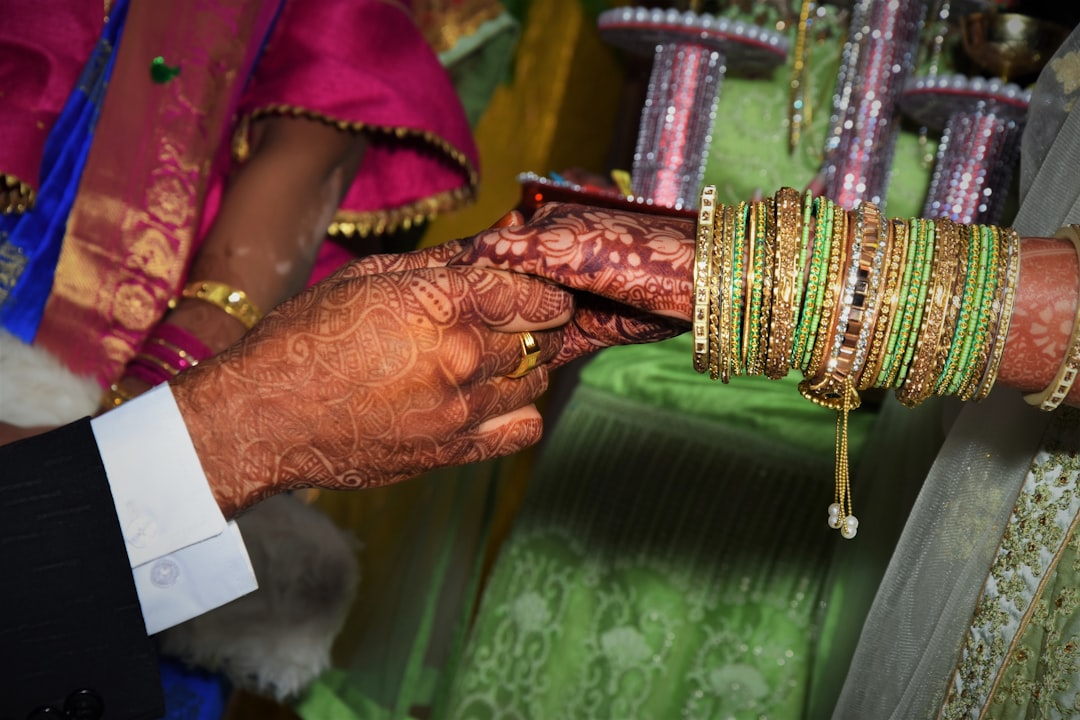
The Allure of Indian Wedding Attire: A Complete Guide Traditional Indian clothing instantly conjures up images of silky textiles, elaborate patterns, and vivid hues. The clothing of India, which varies from region to region and tells its own story, is a beautiful way to capture the essence of Indian culture. Traditional dress, from the majestic lehengas of the North to the graceful sarees of the South, is a celebration of identity & heritage rather than merely a fashion statement.
Key Takeaways
- Traditional Indian attire includes saris, lehengas, anarkalis, and shararas
- Contemporary fusion styles combine traditional Indian elements with modern fashion trends
- Vibrant color choices are a hallmark of Indian wedding attire, with red, gold, and pink being popular options
- Embellishments and embroidery play a key role in Indian wedding attire, adding intricate details and elegance
- Stylish accessories such as statement jewelry, clutches, and footwear complete the Indian wedding guest look
These clothes, which have been handed down through the generations and each one carries a legacy of artistry and craftsmanship, appeal to me because of their classic elegance. Its diversity is what makes traditional Indian clothing so beautiful. Every ensemble reflects the individual’s culture and personality.
The saree, a long piece of fabric draped elegantly around the body, is one example of a garment that can be styled in a variety of ways to accommodate cultural norms while promoting individual expression. In a similar vein, lehengas, with their elaborate blouses and flared skirts, provide a grandeur appropriate for celebratory events. As I study these traditional clothes, I see how they not only accentuate beauty but also help me feel more connected to my heritage and the tales of my forebears. I’ve observed an intriguing trend in Indian fashion in recent years: a move toward modern fusion looks. This fashion trend creates fashionable yet culturally significant ensembles by fusing traditional components with contemporary design.
This combination especially appeals to me since it honors my heritage while letting me express my uniqueness. In order to create distinctive pieces that stand out at any event, designers are now experimenting with silhouettes, fabrics, and patterns. I adore how traditional fabrics like silk or brocade are frequently incorporated into contemporary cuts like palazzo pants or asymmetrical tops in fusion fashion. In addition to giving traditional designs new life, this creative approach makes them more wearable on a daily basis.
| Dress Type | Color | Material | Embroidery |
|---|---|---|---|
| Lehenga | Red | Silk | Gold Zari |
| Anarkali | Blue | Georgette | Sequins |
| Saree | Pink | Chiffon | Threadwork |
I feel more empowered to combine various components as I embrace these fusion styles, resulting in ensembles that honor the diverse fabric of Indian culture while expressing my own sense of style. Indian clothing is known for its vivid color scheme, which is one of its most appealing features. Bold colors that seem to pop in every piece of clothing always appeal to me. Indian clothing uses a variety of colors, from royal blues and deep reds to vivid yellows and verdant hues, which are not only eye-catching but also have deep symbolic meanings.
For instance, red is a popular color for weddings since it is frequently connected to prosperity and love. I find that when I dress for different events, I tend to choose hues that go well with my emotions & the importance of the occasion. The way colors blend together in Indian clothing is incredibly captivating.
I like how various hues can arouse various feelings and produce unique moods. For example, I feel instantly happier and more festive when I wear a bright orange lehenga, and I can feel more sophisticated and elegant when I wear a deep maroon saree. As I experiment with different color schemes, I see how they can elevate an ensemble from drab to spectacular, enabling me to use my wardrobe to express who I am. As I learn more about Indian fashion, I find myself admiring the elaborate embroidery and embellishments that are used to adorn many traditional garments. These particulars are more than just ornamental; they convey tales of centuries-old artistry & craftsmanship.
Every technique, from delicate zardozi work to intricate mirror embroidery, gives the clothing a deeper, more luxurious look. The talent required to produce these gorgeous designs, which frequently call for hours of painstaking labor, captivates me. Indian clothing is enhanced by the embellishments, which give even the most basic ensemble a sense of luxury. A simple fabric can be turned into a work of art with a few strategically placed sequins or elaborate threadwork, & I adore this. I frequently search for items with distinctive embroidery or embellishments that complement my own style when selecting an ensemble for a special occasion.
In addition to improving the aesthetic appeal, these details help me feel more a part of the cultural legacy that values artistry & craftsmanship. I frequently struggle to decide between the two classic outfits when it comes to selecting a saree and a lehenga for an occasion. Each has a certain elegance and charm that makes it appropriate for a variety of settings. Because of its classic drape and adaptability, the saree lets me try out different looks & materials.
I love how this garment can be styled in so many different ways to fit my mood and the theme of the event, whether I choose a modern georgette saree or a classic silk one. However, lehengas provide an allure of grandeur that is difficult to ignore. The flared skirt and exquisitely designed blouse combine to create a gorgeous silhouette that is ideal for celebratory events like weddings. I adore how lehengas can be accessorized with elaborate embroidery or embellishments that make them genuinely unique, and how they come in a variety of styles, from traditional to modern. I enjoy picking between these two classic pieces of clothing, each with its own distinct flair, as I shop for various occasions.
I’ve made anarkali suits and sharara outfits a wardrobe mainstay for going to weddings and other festive events. It’s difficult to match the elegance that the Anarkali suit radiates with its flowing silhouette and elaborate designs. I like how this look complements a variety of body shapes and offers comfort without sacrificing style. I can easily find the ideal ensemble for any occasion thanks to the versatility of Anarkali suits, which come in a variety of lengths, fabrics, and embellishments. The distinct charm of Sharara ensembles has also won me over. Flared pants and a short kurta combine to create a stylish yet playful ensemble that’s ideal for parties.
I adore how shararas can be worn in a variety of ways to create a look that is all mine, whether it’s layered with dupattas or paired with bold jewelry. While looking through these options, I’m drawn to the elaborate details and luxurious fabrics that give each piece a unique look and let me express my individuality while honoring Indian fashion. My wardrobe now offers me more opportunities to express myself thanks to the popularity of Indo-Western gowns and dresses. These clothes create stylish yet culturally appropriate ensembles by skillfully fusing Western silhouettes with traditional Indian elements. This fusion especially excites me because it lets me try out looks that respect my heritage while reflecting my contemporary sensibilities.
Traditional materials like silk or brocade are frequently combined with modern cuts like mermaid or A-line silhouettes in Indo-Western gowns. For formal occasions or parties, this combination produces a powerful visual impact. As I experiment with different styles, I like how these dresses can be embellished with elaborate embroidery or other details that honor traditional craftsmanship while still looking contemporary. In addition to celebrating the beauty of cultural fusion, wearing an Indo-Western gown gives me a sense of style & confidence. Without the proper accessories, no ensemble is complete, & there are a ton of options available when it comes to Indian clothing. I adore how accessories can turn a lovely ensemble into something truly stunning.
Every piece, from bold earrings to intricately crafted bangles, adds a special touch that improves my entire appearance. I frequently take my personal style into account when choosing accessories for an occasion, making sure they go well with my ensemble. Indian fashion is heavily influenced by jewelry, with options ranging from modern silver designs to traditional gold pieces embellished with gemstones. I like combining various styles to create a unified look that is true to who I am. Incorporating accessories like potli bags or clutches also gives my outfit an additional level of sophistication. I am continually motivated by the ingenuity and artistry that go into each piece as I curate my accessories collection.
Choosing the ideal attire for a particular occasion can be both thrilling and daunting. I’ve come up with a few tricks over the years that make this process easier for me to handle. First and foremost, I think about the dress code & theme of the event. Knowing what is anticipated enables me to choose an ensemble that complements the occasion while retaining my individual style. Comfort is another crucial component; after all, wearing something I feel good about boosts my confidence during the event.
I consider the fabric I choose because it guarantees that I will be comfortable in any weather by choosing breathable materials in the warmer months or heavier fabrics in the cooler ones. Finally, when choosing silhouettes, I always consider my body type; some cuts may flatter my figure more than others, enabling me to feel beautiful and confident in any choice. Indian weddings are famous for being lavish and involving several ceremonies, each of which calls for a different style of dress. As someone who enjoys going to weddings, I’ve discovered how crucial it is to wear clothes that complement each occasion while still expressing my individual style. For example, I usually choose lighter materials & fun silhouettes for pre-wedding events like sangeet or mehndi so that I can move freely & take in the celebrations.
However, for more formal events like the wedding or reception parties, I usually choose heavier materials with elaborate embroidery or other embellishments that radiate sophistication & elegance. Knowing the significance of each event aids me in choosing attire that not only suits the event but also enables me to celebrate in style with friends and family. It can occasionally seem like a never-ending quest to find the ideal Indian wedding guest dress, but I’ve found a few go-to locations where I can find gorgeous options without going over budget. Local boutiques often carry unique pieces that reflect regional styles while supporting local artisans—a win-win situation!
Also, online platforms specializing in ethnic wear offer an extensive range of options from various designers across India. By keeping an open mind while searching for wedding guest dresses, I’ve been able to create a collection that reflects both tradition and modernity while making sure I’m always dressed appropriately for any occasion. I also like discovering hidden gems in thrift stores or second-hand shops, as these pieces frequently have their own stories and add character to my wardrobe. To sum up, exploring the world of Indian wedding dress is a fun adventure that offers lots of chances for individual expression and cultural celebration. This dynamic fashion scene has something for everyone, from modern fusion styles & Indo-Western gowns to traditional attire like sarees and lehengas.
I feel empowered to celebrate my heritage and show off my distinct style at every event by embracing a variety of color schemes, elaborate embellishments, and chic accessories that are appropriate for the occasion and comfortable!
When attending an Indian wedding as a guest, choosing the right attire is essential to blend in with the vibrant and colorful celebrations. Traditional Indian dresses such as sarees, lehengas, and anarkalis are popular choices that reflect the rich cultural heritage and add a touch of elegance to the occasion. For those looking to explore a variety of options and perhaps save their favorites for future reference, the wishlist feature on Fashion Clothes can be incredibly useful. This tool allows you to curate a personalized collection of outfits that catch your eye, ensuring you have a go-to list of stunning ensembles for any upcoming wedding festivities.
FAQs
What are some traditional Indian dresses for wedding guests?
Some traditional Indian dresses for wedding guests include sarees, lehengas, anarkalis, and salwar kameez. These outfits are often adorned with intricate embroidery, embellishments, and vibrant colors.
What are some popular colors for Indian wedding guest dresses?
Popular colors for Indian wedding guest dresses include bright and vibrant hues such as red, pink, orange, and gold. These colors are often associated with joy, celebration, and auspiciousness in Indian culture.
What are some key features of Indian wedding guest dresses?
Key features of Indian wedding guest dresses include intricate embroidery, embellishments such as sequins and beads, flowing silhouettes, and luxurious fabrics such as silk, chiffon, and georgette. These dresses often exude elegance and opulence.
What are some tips for choosing the right Indian dress for a wedding guest?
When choosing an Indian dress for a wedding guest, consider the dress code, the venue, and the time of day. It’s also important to consider personal style and comfort. Additionally, paying attention to cultural and religious sensitivities is crucial when selecting an outfit for an Indian wedding.
Where can I purchase Indian dresses for wedding guests?
Indian dresses for wedding guests can be purchased from a variety of sources, including traditional Indian clothing stores, online retailers, and boutique shops specializing in ethnic wear. It’s important to ensure that the seller offers authentic and high-quality garments.