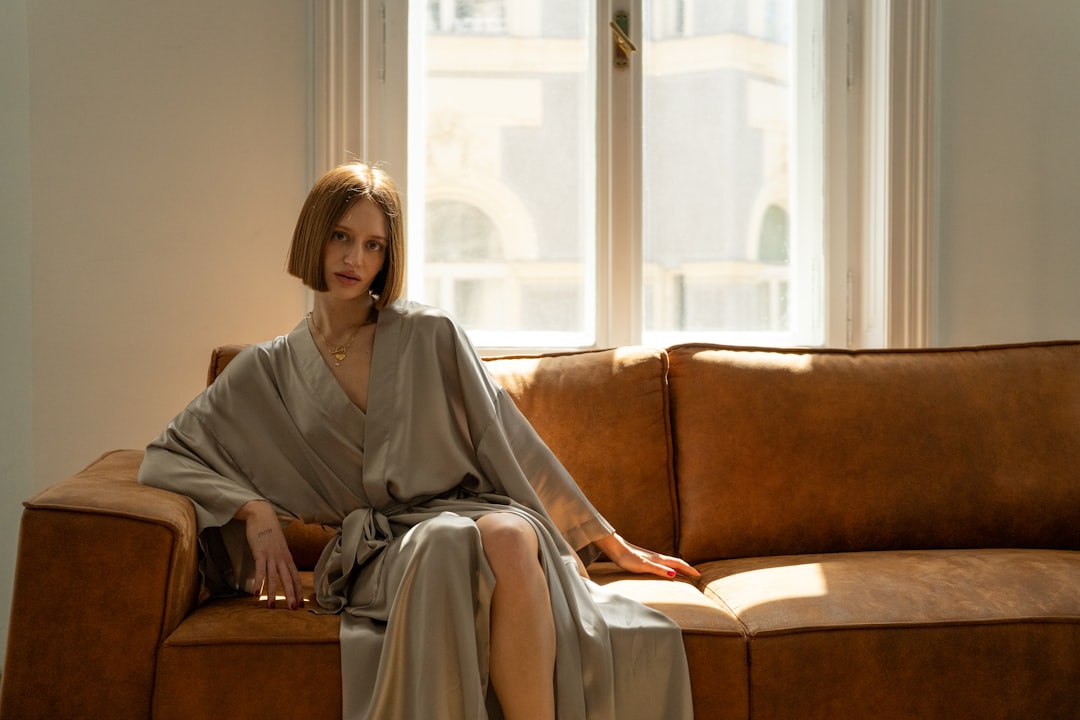
The Durable Impact of Leading Fashion Designers When you enter the dynamic world of fashion, you are encircled by inventiveness, creativity, and a diverse range of cultural influences. The world’s architects are fashion designers, who create not just the clothes you wear but also the fundamentals of identity and style. They have an amazing talent for turning their ideas into wearable art, which frequently reflects artistic movements, personal stories, and societal shifts.
Key Takeaways
- Fashion designers have a significant impact on the way we dress and express ourselves.
- Coco Chanel revolutionized women’s fashion with her modern and practical designs.
- Yves Saint Laurent is known for his mastery of tailoring and creating elegant, timeless pieces.
- Gianni Versace’s designs were synonymous with glamour and luxury, pushing the boundaries of excess.
- Alexander McQueen was a visionary and provocateur, known for his dramatic and theatrical designs.
History, culture, and personal expression all interact dynamically in the world of fashion, which is more than just clothes. The lives and contributions of some of the most significant fashion designers who have had a lasting impact on the business will be examined in this piece. Every designer, from Alexander McQueen’s avant-garde designs to Coco Chanel’s groundbreaking concepts, has made a distinct contribution to the development of fashion. You will learn how their creative methods have inspired generations and influenced trends, making them self-recognized icons.
One of the most influential people in the fashion industry, Coco Chanel is frequently given credit for releasing women from the limitations of traditional clothing. Born in Saumur, France, in 1883, she revolutionized women’s fashion by bringing a more relaxed elegance that prioritized ease and minimalism. The classic silhouettes & clean lines of Chanel’s designs transformed the way women wore clothing.
She is credited with popularizing the Chanel No. and the little black dress. Five perfumes, both of which are still essential pieces for contemporary wardrobes. Chanel redefined femininity, & her impact went beyond fashion.
| Rank | Fashion Designer | Brand | Founded | Headquarters |
|---|---|---|---|---|
| 1 | Coco Chanel | Chanel | 1909 | Paris, France |
| 2 | Giorgio Armani | Armani | 1975 | Milan, Italy |
| 3 | Ralph Lauren | Ralph Lauren Corporation | 1967 | New York City, USA |
| 4 | Donatella Versace | Versace | 1978 | Milan, Italy |
| 5 | Marc Jacobs | Marc Jacobs | 1984 | New York City, USA |
| 6 | Tom Ford | Tom Ford | 2006 | New York City, USA |
| 7 | Valentino Garavani | Valentino | 1960 | Rome, Italy |
| 8 | Stella McCartney | Stella McCartney | 2001 | London, UK |
| 9 | Christian Louboutin | Christian Louboutin | 1991 | Paris, France |
| 10 | Calvin Klein | Calvin Klein | 1968 | New York City, USA |
Through the integration of menswear-related elements into her designs, she questioned social conventions & inspired women to value their individuality. Her famous Chanel suit, which featured a fitted jacket and skirt, came to represent strength. As you learn more about her, you’ll see how her vision inspired women to stand up for themselves in a society dominated by men, in addition to changing fashion. Early on, Yves Saint Laurent showed great promise in the fashion industry.
At the age of 21, he assumed the role of head designer at Dior and immediately made a name for himself as a master of elegance and tailoring. His designs, which frequently took inspiration from art and culture, were distinguished by a fusion of sophistication and modernity. Among his greatest accomplishments was the launch of ready-to-wear collections, which opened up high fashion to a wider market. It was revolutionary for Saint Laurent to combine feminine & masculine elements in his designs. His famous women’s tuxedo jacket defied gender stereotypes and came to represent female strength.
You will see how he celebrated individuality and self-expression in addition to elevating women’s fashion as you look through his work. Numerous designers who aim to strike a balance between elegance and contemporary sensibilities are influenced by his legacy, which is still relevant today. Known for his extravagant and glitzy designs, Gianni Versace enthralled the fashion industry.
In 1978, he established his own label & immediately gained recognition for his bold prints, vivid hues, & provocative styles. He was born in 1946 in Reggio Calabria, Italy. The extravagant style of Versace’s designs, which frequently featured bold cuts and seductive silhouettes that radiated confidence, was defined by a celebration of the human body. His designs were more than just apparel; they were declarations that reflected an opulent and luxurious way of life.
Versace’s partnerships with artists such as Andy Warhol and his use of classical motifs in his collections demonstrated his ability to combine art and fashion. Examining his life and work will reveal how he turned the runway into a platform for theatrical expression, leaving a lasting legacy that still serves as an inspiration to designers who value audacity and originality. A visionary, Alexander McQueen’s creations stretched the limits of fashion into previously unexplored areas.
He was renowned for his dramatic runway performances, which frequently used ornate designs to tell eerie tales. He was born in London in 1969. McQueen’s fascination with nature, history, and the human condition served as the foundation for his approach to fashion. His collections frequently questioned accepted ideas of aesthetics by examining themes of beauty and darkness.
Unmatched in craftsmanship, McQueen created wearable and sculpture-like clothing by fusing cutting-edge materials with age-old tailoring methods. His ability to effortlessly combine art and fashion was demonstrated by his renowned “Savage Beauty” collection. Examining McQueen’s legacy will reveal how he made fashion a platform for social criticism and self-expression, leaving a lasting impression on the business that will continue to motivate coming generations.
One of the most important fashion designers in history, Christian Dior is recognized for having redefined femininity in the years following World War II. Dior, who was born in Granville, France, in 1905, debuted his first collection in 1947, introducing the “New Look” with flowing skirts & tight waists. By celebrating the female form, this groundbreaking silhouette broke with the utilitarian fashions that had been popular during the war years. Dior’s designs were sophisticated & elegant, making them appealing to women who, after years of austerity, wanted to rediscover their femininity. He raised the bar for haute couture with his meticulous attention to detail and dedication to craftsmanship. As you read more about Dior’s life, you’ll see how he not only made stunning clothing but also gave women confidence through his designs.
His legacy serves as a reminder of the timeless value of elegance and continues to shape modern fashion. Ralph Lauren perfectly combines traditional aesthetics with contemporary sensibilities to represent the pinnacle of American style. He was born in New York City in 1939, and before establishing his Polo Ralph Lauren brand in 1967, he started out designing neckties.
An idealized view of American life, one marked by sophistication, leisure, and classic elegance, served as the foundation for his vision. From Ivy League customs to equestrian sports, Lauren frequently incorporates elements of American culture into her designs. He is well-known due to his ability to use fashion to create aspirational lifestyles.
Investigating his work will reveal how he has influenced not just apparel but also a whole lifestyle brand that appeals to customers all over the world. Ralph Lauren is now associated with a timeless idea of American identity, and his influence goes beyond fashion. Because of her punk-inspired designs that defy expectations & spark debate, Vivienne Westwood is frequently referred to as the rebel of fashion. She was born in England in 1941, and her daring designs that celebrated uniqueness and nonconformity helped to shape the punk movement in the 1970s.
Westwood’s art is distinguished by its unique blend of historical allusions, colorful prints, and unusual silhouettes. Her dedication to social activism and environmental issues is reflected in the political messages frequently included in her designs. Westwood has become a pioneer in the field thanks to her ability to combine high fashion with street style.
As you read her story, you’ll see how she has inspired many people to value their individuality by using fashion as a vehicle for social change & self-expression. A master of the arts, Karl Lagerfeld’s impact went well beyond his position as head designer of Chanel. Lagerfeld, who was born in Hamburg, Germany, in 1933, was well-known for his unique personal style, which included a high-collared white shirt, fingerless gloves, & sunglasses.
After he joined Chanel in 1983, he brought the brand back to life with his creative approach while adhering to its history. Modernity and sophistication were hallmarks of Lagerfeld’s designs, which frequently included surprising details to keep the brand current. He made sure Chanel stayed at the forefront of fashion by masterfully fusing tradition with modern flair. As you examine Lagerfeld’s legacy, you will discover how his innovative concepts & unrelenting inventiveness revolutionized not just Chanel but the whole fashion industry.
Stella McCartney is a notable advocate for eco-friendly fashion in a field that is frequently criticized for its effects on the environment. Since establishing her own label in 2001, the London-born woman, who was born in 1971, has been a champion of moral behavior. Using environmentally friendly materials and avoiding leather and fur in her collections are two examples of McCartney’s dedication to sustainability. Her designs appeal to customers who value both ethics and aesthetics in their wardrobe selections because of their effortless style and modern femininity.
Beyond just her own company, McCartney has influenced other designers to incorporate sustainability into their production methods. You will see how she has redefined luxury as you explore her work, demonstrating that fashion can be both elegant and responsible. When you consider the lives and contributions of these leading fashion designers, it is evident that their impact goes well beyond fashion; they have influenced social movements and cultural narratives. Every designer has made a distinctive contribution to the development of fashion, leaving a rich legacy that is still relevant today. These designers have changed not only how you view style but also how you interact with it personally, from Stella McCartney’s dedication to sustainability to Coco Chanel’s groundbreaking concepts about femininity. Their experiences serve as a reminder that fashion is more than simply following trends; it is a dynamic conversation between art, culture, & personal expression that will continue to influence upcoming generations as they forge their own identities in this dynamic world.
If you’re interested in exploring the world of top fashion designers, you might also want to check out the latest collections available from these creative minds. A great place to start is by visiting the Fashion Clothes Shop, where you can browse through a curated selection of clothing and accessories that reflect the innovative designs of leading fashion icons. This online store offers a variety of styles that cater to different tastes, ensuring that you can find something that resonates with your personal fashion sense.
FAQs
1. Who are the top 10 clothes designers?
The top 10 clothes designers are subjective and can vary based on personal preferences and industry trends. However, some of the most renowned designers include Chanel, Gucci, Louis Vuitton, Prada, Versace, Dior, Balenciaga, Burberry, Valentino, and Givenchy.
2. What sets these designers apart from others?
These designers are known for their high-quality materials, innovative designs, and strong brand identities. They often set trends in the fashion industry and have a significant influence on the way people dress.
3. Are these designers affordable for the average consumer?
The designs from these top designers are often considered luxury and come with a high price tag. While some may offer more affordable lines or accessories, the main collections are typically out of reach for the average consumer.
4. Where can one purchase clothes from these designers?
Clothes from these designers can be purchased at their flagship stores, high-end department stores, and luxury boutiques. They also have a strong online presence, with their collections available for purchase on their official websites and other authorized retailers.
5. Do these designers cater to all body types and sizes?
While some designers have made efforts to be more inclusive in recent years, the majority of their designs are still geared towards standard sizing. However, there are some designers who have specific lines or collections that cater to a wider range of body types and sizes.
6. Are these designers environmentally conscious?
Many of these designers have taken steps to become more environmentally conscious by using sustainable materials, reducing waste, and implementing ethical production practices. However, there is still progress to be made in the fashion industry as a whole.
7. Do these designers offer menswear as well?
Yes, most of these designers offer menswear collections in addition to their womenswear lines. Some designers have even gained significant recognition for their menswear designs.
8. Are these designers involved in philanthropy or social causes?
Many of these designers are involved in philanthropy and social causes, using their platforms to support various charitable organizations and initiatives. They often collaborate with non-profit organizations and use their influence to raise awareness for important issues.
9. How do these designers stay relevant in the ever-changing fashion industry?
These designers stay relevant by continuously innovating their designs, adapting to new trends, and engaging with their audience through social media and other digital platforms. They also often collaborate with other brands and artists to bring fresh perspectives to their collections.
10. What is the future outlook for these top clothes designers?
The future outlook for these top clothes designers is positive, as they continue to evolve and adapt to the changing landscape of the fashion industry. With a focus on sustainability, inclusivity, and innovation, these designers are likely to remain influential and sought after in the years to come.