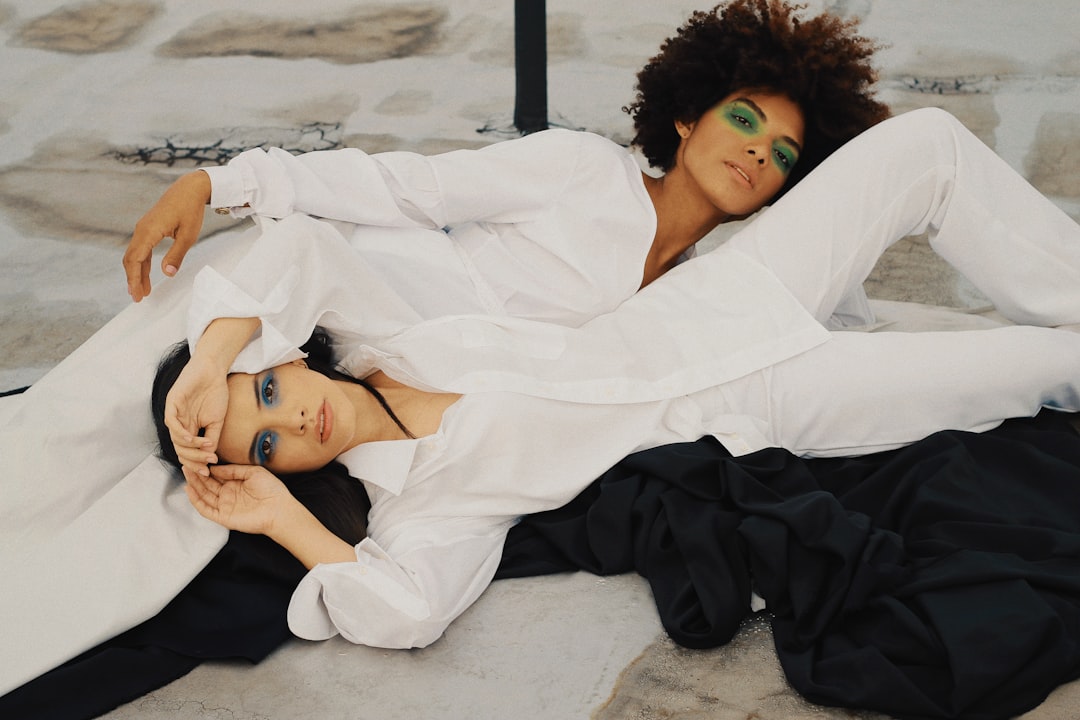
The Ascent of Female Fashion Designers As I continue to explore the realm of fashion, I am struck by the astounding ascent of female fashion designers in the last century. Male designers have traditionally controlled the fashion industry, but this has drastically changed. In addition to joining the field, women have established their own niches & demonstrated their inventiveness and foresight.
Key Takeaways
- Women fashion designers have been on the rise, breaking barriers and redefining beauty standards in the fashion industry.
- Iconic women designers have made significant contributions to the fashion world, influencing trends and empowering women through their designs.
- Women designers have played a crucial role in celebrating diversity in women’s fashion, embracing different body types and cultural backgrounds.
- The evolution of women’s fashion design has been shaped by the intersection of feminism and fashion, with women designers making a social impact through their work.
- The future of women in fashion design looks promising, with women designers continuing to make strides in the industry and redefine beauty standards.
This change is more than just a fad; it’s a profound cultural revolution that mirrors larger societal shifts in attitudes toward equality and gender roles. When trailblazers like Coco Chanel started to question the status quo in the early 20th century, women in fashion design started to emerge. By introducing a more relaxed yet elegant silhouette, Chanel’s groundbreaking designs freed women from the confines of corsets.
As I examine this development, I see that her impact cleared the path for upcoming generations of female designers who would keep pushing the envelope & redefining what fashion could be. In addition to being industry participants, women designers are now leaders, innovators, and trendsetters. In my research on women’s contributions to fashion, I’m inspired by how many have broken down barriers in a field that has historically been resistant to change. In addition to creating profitable brands, women like Diane von Furstenberg and Vera Wang have questioned conventional ideas of femininity and beauty.
Resilience and determination are essential components of success in any industry, but particularly in one as cutthroat as fashion, as their experiences have shown me. Creating opportunities for others is just as important as breaking down barriers for oneself. Today, a large number of female designers are coaching up-and-coming artists, creating an atmosphere free from the limitations of antiquated conventions. This sense of belonging is essential in a field where women’s voices have historically been underrepresented.
| Designer | Number of Collections | Number of Awards | Years in the Industry |
|---|---|---|---|
| Stella McCartney | 20 | 12 | 20 |
| Vera Wang | 30 | 15 | 30 |
| Donatella Versace | 25 | 10 | 35 |
Because more women are taking on leadership roles and pushing for change, I am filled with optimism as I consider this progress. I can’t help but think of famous women designers like Isabel Marant, Stella McCartney, and Miuccia Prada. These women have all significantly impacted the fashion industry by establishing trends and influencing a great number of others. Miuccia Prada, for example, is renowned for her unconventional approach to fashion, which challenges traditional aesthetics by fusing art and design. Her work has inspired me to value fashion as a way to express oneself rather than merely as a way to accessorize. I have also found great resonance in Stella McCartney’s dedication to sustainability.
In a time when environmental issues are of the utmost importance, her commitment to ethical fashion is a potent reminder that responsibility and style can coexist. When I think about the influence of these designers, I see that they have done more than just create fashionable apparel; they encourage a new generation to critically examine our fashion choices & how they affect the wider world. It is impossible to deny the impact of female designers on fashion trends. I see how women designers frequently offer novel viewpoints that subvert conventional aesthetics as I watch runway shows and street style. For instance, women like Tilda Swinton and Haider Ackermann’s creative work, which blurs the boundaries between masculine and feminine styles, is responsible for the rise of gender-fluid fashion. This change inspires me to value my uniqueness and use fashion as a means of self-expression without having to live up to social norms.
Also, women designers frequently put comfort and usefulness first in their works, which reflects a growing understanding of what contemporary consumers need. The popularity of athleisure and pieces that are versatile enough to be worn from day to night is indicative of this emphasis on functionality. As I make my own wardrobe decisions, I notice that I tend to choose pieces that are both aesthetically pleasing & comfortable—a philosophy that many female designers support. Although fashion has always been a potent medium for individual expression, I think it can also empower women. Numerous female designers challenge the limited ideals of beauty that have long dominated the industry by producing collections that embrace inclusivity and body positivity.
I experience a sense of acceptance & validation that goes beyond simple beauty when I see models of all shapes, sizes, and backgrounds on the catwalk. Beyond just representation, fashion empowerment also entails establishing environments that support women’s success. Creating an atmosphere where women can thrive on their own terms requires initiatives like Fashion for Good and groups that assist female fashion entrepreneurs. Considering these initiatives, I am motivated to support companies that value moral behavior and stand up for women’s rights because I know that my decisions can have a positive impact on a broader movement.
Diversity is a fundamental component of modern women’s fashion, and I’m thrilled to see this celebration come to life. The significance of including diverse cultures, ethnicities, & backgrounds in its narratives is becoming more widely acknowledged by the industry. Designers like Rihanna, whose Fenty brand offers a wide range of sizes & styles to suit a variety of audiences, have made great progress in promoting inclusivity. I am reminded as I look through different collections that fashion is a reflection of culture and identity and goes beyond simply clothes.
Diverse influences come together to form a rich tapestry that deepens our comprehension of style and beauty. This celebration of diversity inspires me to value the distinctive tales woven into each item of clothing while embracing my own heritage. Women’s fashion design has undergone an exciting evolution characterized by innovation & change. From the 1920s flapper dresses to the 1980s power suits, every period captures changes in women’s roles and societal shifts. The way that fashion acts as a mirror to history, preserving moments of emancipation, rebellion, and self-discovery, strikes me as I examine these trends. As technology becomes more and more integrated into fashion design, we are seeing yet another evolution.
Women designers can now reach audiences around the world without traditional barriers thanks to the growth of digital platforms. As a customer, this democratization of fashion allows me to find up-and-coming designers from around the globe, which expands my understanding of creativity & style. I’m especially interested in women who are changing the definition of beauty in my investigation of their contributions to fashion. With their inclusive designs, designers like Ashley Graham and Christian Siriano have caused a stir by questioning traditional ideas of beauty.
Because it highlights that beauty can take many forms, regardless of size, shape, or background, their work speaks to me. This reinterpretation goes beyond attire & includes mindsets regarding confidence and self-acceptance. I am inspired to embrace my individuality instead of trying to fit in with unattainable standards when I see diverse models on runways or in advertising campaigns. This change in viewpoint is essential to creating a society in which everyone is respected and honored. One subject that really interests me is the relationship between feminism and fashion.
Despite frequent criticism that fashion objectifys women and reinforces stereotypes, many female designers are using their platforms to promote social justice and gender equality. Their collections challenge the idea that fashion is superficial or frivolous by incorporating messages of empowerment. I am drawn to companies that share my values as I interact with this intersection—those that value moral behavior and advance the rights of women. Because of this conscious consumerism, I am able to support designers who are not only producing stunning clothing but also significantly improving society.
Beyond the world of fashion, female designers are increasingly being used to change society. Women-led brands are increasingly implementing sustainability, fair labor, & community engagement initiatives. For example, companies like Reformation empower women through equitable pay and moral production methods, all the while emphasizing environmentally friendly materials. Because I am a consumer, I feel obligated to support these initiatives by selecting brands that share my values. By doing this, I support a broader movement that calls for constructive changes in the sector, one that puts people before profit.
My outlook on the future of women in fashion design is one of optimism. With more chances for women designers to display their skills on international stages, the scene is changing quickly. I think the industry will be shaped by an even wider range of voices as barriers continue to fall.
Also, I think that as technology develops, new creative opportunities will present themselves, enabling female designers to try out cutting-edge materials and methods. This evolution is exciting to me because it creates countless opportunities for artistic exploration & self-expression. In summary, the emergence of female fashion designers tells a compelling story of tenacity, inventiveness, & self-determination.
Their capacity to shatter stereotypes and redefine beauty standards while embracing diversity and inclusivity inspires me as I consider their contributions and impact on the industry. I am excited to see how this dynamic landscape continues to change in the years to come, as women in fashion design have a bright future ahead of them.
In the ever-evolving world of fashion, women designers continue to push boundaries and redefine what it means to dress to impress. Their innovative designs not only capture the essence of modern femininity but also empower women to express their unique identities through clothing. For those interested in exploring the latest trends and must-have pieces, a related article on this topic can be found on the Fashion Clothes website. This article delves into the creative processes of leading women fashion designers and highlights their most iconic collections. To read more about how these designers are shaping the future of fashion, check out the article by visiting this link.
FAQs
What is the role of a women fashion designer?
A women fashion designer is responsible for creating and designing clothing and accessories for women. They are involved in every step of the design process, from conceptualizing ideas to creating patterns and overseeing the production of the final product.
What skills are required to become a successful women fashion designer?
Successful women fashion designers possess a combination of creativity, artistic ability, technical skills, and a strong understanding of fashion trends and consumer preferences. They also need to have strong communication and problem-solving skills, as well as the ability to work well under pressure and meet deadlines.
What are the key responsibilities of a women fashion designer?
The key responsibilities of a women fashion designer include researching current fashion trends, creating sketches and designs, selecting fabrics and materials, creating patterns, overseeing the production process, and ensuring that the final product meets quality standards. They also need to stay updated on industry developments and consumer preferences.
What are some popular fashion design techniques used by women fashion designers?
Women fashion designers often use a variety of techniques to create unique and stylish clothing and accessories. These techniques may include draping, pattern making, sewing, embellishing, and fabric manipulation. They also use computer-aided design (CAD) software to create digital designs and patterns.
What are some important considerations for women fashion designers when designing clothing?
When designing clothing, women fashion designers need to consider factors such as comfort, fit, functionality, and style. They also need to take into account the target audience, cultural influences, and sustainability practices. Additionally, they need to stay updated on industry regulations and ethical practices.