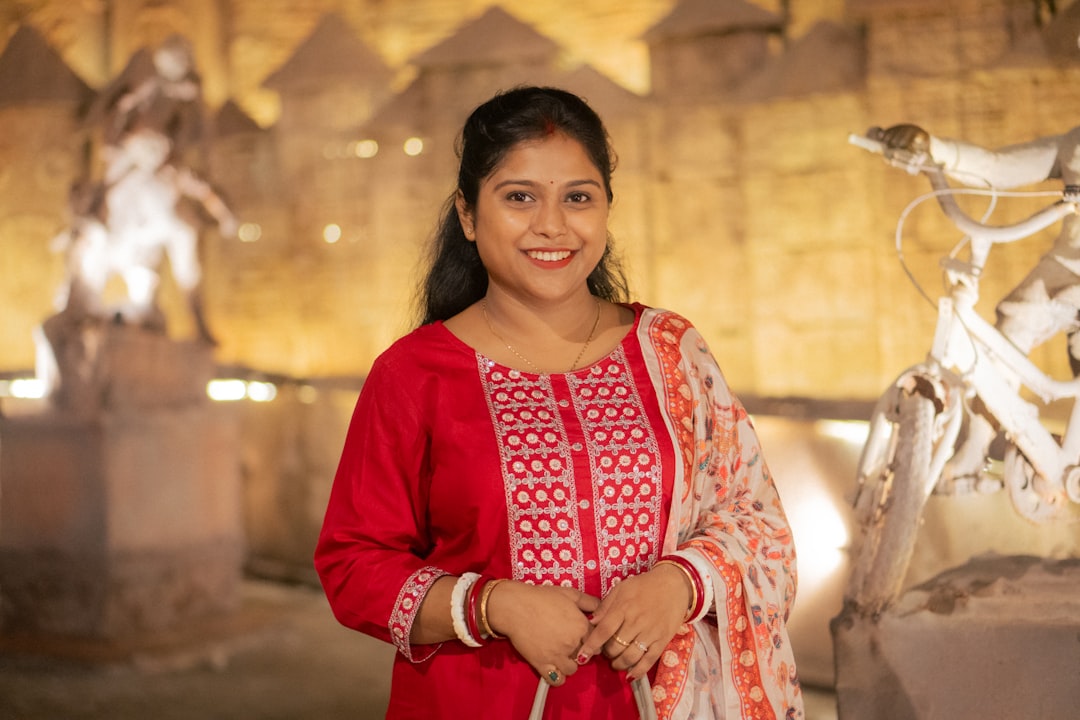
The vivid colors, elaborate patterns, and the tales woven into each article of traditional Indian apparel enthrall me as I explore its rich tapestry. Traditional Indian clothing reflects the subcontinent’s cultural heritage, history, and diversity & is not just a fashion statement. Each region of India, from the busy markets of Delhi to the tranquil landscapes of Kerala, has its own distinctive styles & textiles, making Indian clothing an intriguing topic to study. In India, traditional attire has more meaning than just being fashionable. It acts as a platform for communication, a means of reestablishing a connection with one’s heritage, and a celebration of holidays and customs. Every article of clothing has a unique story to tell, & as I look through them, I am reminded of the long-standing customs that have been carried down through the generations.
Key Takeaways
- Traditional Indian clothing includes the sari, salwar kameez, lehenga choli, and anarkali suit, each with its own unique style and grace.
- Fabrics and textiles play a crucial role in traditional Indian clothing, with a wide variety of options such as silk, cotton, and chiffon.
- Embellishments and embroidery add intricate detail to Indian attire, showcasing the craftsmanship and artistry of the culture.
- Regional styles and variations in traditional Indian clothing reflect the diverse cultural influences and heritage of different parts of the country.
- Modern interpretations and innovations in traditional Indian clothing have brought about new styles and designs while still embracing the timeless elegance of the attire.
This article will walk you through some of the most famous traditional Indian clothing pieces, examining their meaning, history, & the craftsmanship that went into making them. The most recognizable example of traditional Indian attire is probably the sari. The versatility and grace of this exquisite fabric really stand out to me as I wrap myself in it. The sari, which usually measures six to nine yards, can be draped in a variety of ways that express the wearer’s individuality and cultural influences.
The sari has an intrinsic ability to accentuate femininity & poise, whether it is worn in the traditional Andhra Pradesh Nivi drape or the more ornate Bengali style. The sari’s timeless appeal and ability to defy fashion trends are what really captivate me about it. Despite being worn by women for centuries, it is still changing to fit the latest trends in fashion.
The sari is becoming a creative canvas as designers experiment with different fabrics, patterns, and draping techniques. Cotton saris ideal for informal occasions and silk saris embellished with elaborate zari work are just two of the many options that frequently entice me. Every decision reflects both my connection to my cultural heritage and my personal style. An additional wardrobe essential that combines comfort & style is the salwar kameez. This ensemble typically includes a dupatta and consists of a long tunic (kameez) worn with loose-fitting trousers (salwar).
| Traditional Indian Clothing | Metrics |
|---|---|
| Saree | Length: 5 to 9 yards |
| Salwar Kameez | Types: Anarkali, Straight, Palazzo |
| Lehenga Choli | Embroidery: Zari, Resham, Sequins |
| Kurti | Length: Knee-length, Calf-length |
I adore the versatility of the salwar kameez; it can be dressed up for formal events or worn casually every day. I can easily express my personality and mood thanks to the variety of fabrics and designs. The cultural significance of the salwar kameez in various Indian regions is one of the reasons I like it.
Every state has a distinct style for this ensemble, ranging from Rajasthan’s delicate block prints to Punjab’s colorful phulkari embroidery. My knowledge of Indian culture and fashion is deepened by this regional diversity. I identify with a broader narrative that honors both tradition and modernity when I’m dressed in a salwar kameez. There is nothing quite like the splendor of a lehenga choli for special occasions.
This ensemble, which typically includes a dupatta, a fitted blouse (choli), and a flared skirt (lehenga), embodies elegance and royalty. I can’t help but feel like royalty when I wear a lehenga to weddings or other festive occasions. Each lehenga tells a tale of artistry thanks to the exquisite craftsmanship that goes into making these ensembles, which range from hand-stitched embroidery to opulent fabrics. Over time, the lehenga choli has changed, keeping its traditional qualities while adjusting to modern fashions. Designers are now experimenting with colors, embellishments, and silhouettes, which makes it popular with those who are fashion-forward.
I like how this ensemble celebrates my cultural heritage and lets me embrace my femininity. Every lehenga has a particular place in my heart, whether it’s a traditional red one for a wedding or a pastel-colored one for a joyous occasion. With its feminine charm and flowing silhouette, the Anarkali suit is another stunning item of clothing that has won my heart.
With its fitted bottom and long frock-style top, this ensemble is elegant and fits a variety of body shapes. The Anarkali appeals to me because it is a wardrobe essential that can be worn to both formal & informal occasions. The Anarkali is especially unique because of its historical significance.
This ensemble, which bears the name of a renowned Mughal courtesan, captures the splendor & extravagance of the time. I feel a connection to a rich cultural heritage that honors beauty and artistry when I don an Anarkali with elaborate embroidery or embellishments. The flowing fabric makes a striking fashion statement while facilitating effortless mobility. I’ve come to understand that the fabric selection greatly influences the personality and allure of each piece of traditional Indian apparel. From opulent silks to breathable cottons, India is known for its wide variety of textiles.
Every fabric has a backstory; for example, cotton is typically connected to coziness & functionality, while silk is frequently linked to grandeur and royalty. These textiles are incredibly well-made & exhibit exceptional craftsmanship. Every piece showcases the talent & commitment of its creator, from Gujarati artisans creating colorful bandhani textiles to Varanasi handloom weavers producing exquisite Banarasi silk.
I feel proud to be supporting regional craftspeople and conserving ancient methods that are in danger of disappearing when I dress in traditional Indian attire made from these materials. It would be impossible to talk about traditional Indian attire without mentioning the elaborate embroidery and embellishments that turn these garments into masterpieces. I am reminded of the meticulous work that goes into each stitch as I appreciate the exquisite details on my clothes, such as the mirror work on a salwar kameez or the zardozi work on a lehenga. These decorations not only improve the aesthetic appeal but also convey culturally significant tales.
India has an incredible diversity of embroidery styles. Every technique reflects local customs and artistic ability, from the bold kantha stitching of West Bengal to the delicate chikankari of Lucknow. I feel as though I am wearing a piece of history when I dress in something with such elaborate details, which is a tribute to the talent and inventiveness of craftspeople who have refined their trade over many generations. India’s many regional traditional dress styles reflect the country’s vastness.
Every state has distinctive patterns, textiles, and draping styles that are a reflection of the climate and culture there. I find it fascinating how these variations add to India’s diverse fashion culture as I investigate them. For example, heavier textiles with elaborate embroidery are frequently preferred in the north, whereas the south may prefer lighter cottons appropriate for its tropical climate. My wardrobe is enhanced by this regional diversity, which also helps me better appreciate India’s rich cultural legacy. Whether it’s a Pattu lehenga from Maharashtra or a Kanjeevaram silk sari from Tamil Nadu, I feel more connected to the history & customs of the area when I dress in clothing that is inspired by that area.
Every article of clothing seems to carry the spirit of its place of origin. The way that traditional Indian attire is viewed and worn has changed dramatically in recent years. In order to create inventive pieces that appeal to younger generations, designers are now fusing traditional elements with modern styles. I’m thrilled about the potential for traditional clothing as I embrace these contemporary interpretations, like crop tops with lehengas or dhoti pants with kurtas.
In addition to keeping traditional attire current, this fusion lets me express my uniqueness while respecting my cultural heritage. By incorporating contemporary silhouettes and fabrics, classic designs are given new life and become suitable for both special occasions and daily wear. Seeing how traditional Indian attire keeps changing while maintaining its core is fascinating. As I go through my collection of traditional Indian attire, I’ve discovered that accessorizing and styling are crucial to improving the overall appeal of any ensemble.
One important piece of advice I’ve learned is to balance statement pieces with understated accessories. For example, if I’m wearing a lehenga choli with intricate embroidery, I might choose to wear little jewelry so the ensemble can take center stage. Another style I like to try is layering; you can create a completely different look by wearing a stylish jacket over a sari or pairing an Anarkali suit with a statement dupatta. Another important component is footwear; mojaris or juttis can guarantee comfort all day long while adding an ethnic touch. In the end, accessorizing enables me to celebrate the traditional origins of my ensembles while personalizing them.
To sum up, I have learned a great deal from my experience with traditional Indian attire. Every article of clothing has cultural, artistic, and ancestoral tales that I find incredibly moving. Whether it’s the grace of a sari or the royal allure of a lehenga, when I embrace these classic pieces, I feel a connection to both my heritage & a greater story that honors individuality and creativity. More than just fabric, traditional Indian attire is a generation-spanning statement of pride and identity. I’m reminded that these clothes are lived experiences that gracefully and elegantly celebrate life’s little & large moments as I continue to experiment with new looks and interpretations while respecting long-standing customs.
Traditional Indian clothing for women is a vibrant and diverse aspect of India’s rich cultural heritage. From the elegant sarees to the colorful lehengas and the comfortable salwar kameez, each garment tells a story of its own, reflecting the region’s traditions and the wearer’s personal style. For those interested in exploring more about these beautiful attires, an insightful article on the subject can be found on a fashion website. You can read more about traditional Indian clothing for women by visiting this related article. This resource provides a deeper understanding of the various styles, fabrics, and occasions for which these garments are worn, offering a comprehensive guide for anyone looking to embrace or learn about Indian fashion.
FAQs
What are the different types of traditional Indian clothing for females?
Traditional Indian clothing for females includes sarees, salwar kameez, lehenga choli, and Anarkali suits. These garments vary in style, fabric, and regional influences.
What is a saree?
A saree is a traditional Indian garment that consists of a drape varying from five to nine yards in length and two to four feet in breadth. It is typically worn with a blouse and a petticoat.
What is a salwar kameez?
A salwar kameez is a traditional Indian outfit consisting of a tunic top (kameez), loose-fitting trousers (salwar), and a scarf or dupatta. It is popular in various regions of India and comes in different styles and designs.
What is a lehenga choli?
A lehenga choli is a traditional Indian outfit that consists of a flared skirt (lehenga), a fitted blouse (choli), and a dupatta. It is commonly worn for special occasions such as weddings and festivals.
What is an Anarkali suit?
An Anarkali suit is a traditional Indian outfit that features a long, frock-style top with a slim-fitted bottom. It is named after the legendary dancer Anarkali and is known for its elegant and graceful appearance.
What are the common fabrics used in traditional Indian clothing for females?
Common fabrics used in traditional Indian clothing for females include silk, cotton, chiffon, georgette, crepe, and satin. These fabrics are often embellished with intricate embroidery, beadwork, and other decorative elements.