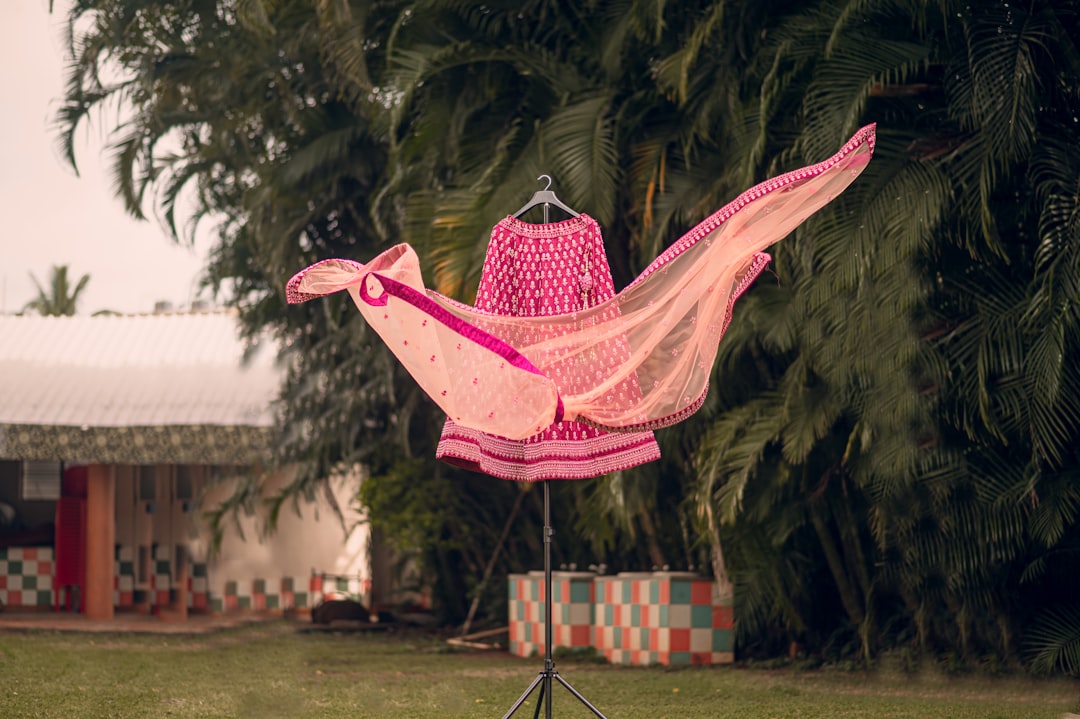
The Indian Saree’s Timeless Elegance The saree is a traditional garment worn by Indian women that has a long & illustrious history that goes back thousands of years. Its development frequently enthralls me since it captures the rich cultural diversity of the Indian subcontinent. Indus Valley Civilization depictions of women wearing draped garments are the earliest known references to the saree. The saree is now more than just a piece of apparel; it is a representation of cultural identity & legacy. Due to the distinct styles and draping techniques of each Indian region, the saree serves as a showcase for local artistry and craftsmanship.
Key Takeaways
- The Indian saree has a rich history and cultural significance, dating back thousands of years and symbolizing tradition, grace, and femininity.
- There are numerous styles and variations of the saree, each representing different regions, cultures, and occasions, such as the Banarasi, Kanjeevaram, and Chiffon sarees.
- The choice of fabric and embellishments in saree design is crucial, as it can greatly impact the overall look and feel of the garment, with options ranging from silk and cotton to intricate embroidery and beadwork.
- Draping a saree is an art form in itself, with a step-by-step guide to achieve the perfect pleats, tucks, and folds that enhance the wearer’s femininity and grace.
- The saree is not only a symbol of tradition and culture, but also a timeless fashion statement, as seen in Bollywood and Indian fashion, where it continues to evolve and inspire modern interpretations and innovations.
Beyond its visual appeal, the saree has cultural significance. It is frequently linked to a number of ceremonies and rituals that commemorate significant life events like marriages, holidays, and religious gatherings. I have seen how a saree, which is frequently handed down through the generations, can arouse feelings of pride and nostalgia.
I can remember the tales and customs that have molded my identity and feel more connected to my heritage when I wear a saree. Indian culture has long praised the saree as a symbol of femininity, grace, and tenacity, and it is more than just a piece of apparel. The wide range of saree styles and variations found throughout India astounds me as I learn more about this fashion trend. States’ cultural heritage is reflected in their unique embellishments, fabric, and draping styles. For instance, the Banarasi saree from Varanasi is praised for its exquisite designs and opulent silk, while the Kanjivaram saree from Tamil Nadu is well-known for its vivid colors and elaborate gold zari work. The way that these regional variations add to the saree’s overall diversity intrigues me.
The saree has also changed to include modern fabrics and designs, so it is no longer just a traditional garment. Contemporary interpretations that combine cutting-edge methods with age-old craftsmanship are common. There is something for everyone, including sarees made of unusual materials like chiffon or denim as well as pre-draped sarees.
| Metrics | Data |
|---|---|
| Number of Saree Styles | Over 80 different styles |
| Materials Used | Silk, cotton, chiffon, georgette, and more |
| Historical Significance | Centuries-old tradition |
| Regional Variations | Different styles in different states |
| Modern Adaptations | Fusion sarees, designer sarees |
This versatility enables me to respect the rich history of this classic garment while expressing my own sense of style. The fabric selection for sarees greatly influences how they appear and feel overall. I now see how a saree can be made into something genuinely unique by combining various textiles. For example, cotton is comfortable and breathable for daily wear, while silk is a popular option for formal events because it radiates luxury & elegance.
The way a saree falls on the body can be greatly influenced by the fabric’s texture and drape, which adds to the garment’s beauty. Sarees also gain a distinct charm from embellishments. These embellishments, which can include elaborate embroidery, sequins, and beadwork, can turn an ordinary saree into an exquisite work of art. Sarees with traditional motifs or modern designs that capture my individuality frequently appeal to me.
Each piece of saree design is a work of art that tells a story thanks to the endless creativity that can be achieved with the combination of fabric and embellishments. Although draping a saree might seem intimidating at first, it eventually becomes a fun custom that helps me feel more connected to my roots. Choosing a saree and blouse that go well together in terms of color and style is the first step in the process.
To begin, I usually tuck one end of the saree into the waist of my petticoat & let it fall elegantly. I then wrap the saree around my body, making sure to make pleats in the front for a refined appearance. Patience and accuracy are needed for this step; I usually take my time to make sure every pleat is level and arranged neatly. I pin the pleats into place and then drape the remaining fabric over my shoulder, letting it fall gracefully.
To guarantee comfort and style, I lastly adjust the drape. I feel closer to the generations of women who have embraced this art form with every draping session. As a representation of grace and femininity, the saree is very special to me. I feel strong and self-assured when I’m wearing a saree, which is the epitome of womanhood. It’s really amazing how it highlights my curves while still granting me flexibility. I frequently observe that wearing a saree changes not only how I look but also how I behave; I appear more composed & elegant.
Also, the saree is a garment that celebrates diversity & is inclusive of all body types and ages. A young girl wearing her first saree or an elderly woman wearing her favorite piece for a family get-together are examples of how the saree unites women of all ages. It acts as a reminder that grace can take many different forms & that any woman can express herself uniquely in this classic outfit. The saree has become widely known both domestically and internationally thanks in large part to Bollywood. Watching movies with famous actresses wearing gorgeous sarees frequently inspires me with their grace and flair.
Bollywood’s depiction of sarees not only emphasizes their beauty but also their adaptability, as they can be worn in a variety of ways to fit different characters & storylines. Also, the saree has been adopted by fashion designers as a creative canvas. I’ve witnessed how modern designers update classic looks while maintaining their original characteristics. This combination has produced cutting-edge styles that appeal to younger consumers while maintaining the spirit of this timeless item of clothing.
The saree’s status as a classic item that keeps up with shifting trends is further cemented by its appearance in fashion shows and red carpet events. I have observed a fascinating change in the style and fashion of sarees in recent years. Traditional craftsmanship and modern aesthetics are frequently combined in modern interpretations to create one-of-a-kind pieces that appeal to a variety of tastes. Designers are breaking convention by experimenting with unusual textiles, striking hues, and creative draping methods. Pre-draped sarees that combine convenience and style are especially appealing to me.
I can appreciate the style of a saree without having to spend a lot of time draping thanks to these ready-to-wear options. Also, the saree industry has seen a rise in sustainable fashion, with designers emphasizing ethical production methods and environmentally friendly materials. I identify with this movement because it supports my beliefs in sustainable development & ethical consumption. Fashion enthusiasts worldwide have been captivated by the allure of the Indian saree, which has transcended national boundaries.
The way that designers from various cultures are fusing aspects of the saree into their collections as I research global fashion scenes excites me. The saree’s timeless appeal & adaptability are amply demonstrated by this widespread admiration. The saree has been widely promoted thanks in large part to social media platforms. Fashion bloggers and influencers display their own interpretations of this traditional garment, encouraging others to appreciate its beauty. Scrolling through feeds of gorgeous saree ensembles from women on different continents, celebrating diversity while respecting tradition, is something I frequently do.
The saree is a particularly significant bridal garment in Indian weddings. I’m always amazed by the beauty and grace of brides wearing gorgeous bridal sarees when I attend weddings with them. The luxury materials used to create traditional bridal sarees, such as silk or brocade, are frequently adorned with elaborate zari or embroidery that captures the grandeur of the event. Modern bridal styles that combine modern components with traditional values have become more popular in recent years.
These days, a lot of brides choose lighter materials or unusual hues that express their individuality. I find this evolution exciting because it allows brides to express their individuality while honoring cultural heritage, which is important to me as someone who values both tradition and innovation. Because there are so many options available, selecting the ideal saree can be both a fun and daunting experience. For special events like weddings or festivals, I look at things like fabric, color, and embellishments that complement the theme of the event when choosing a saree.
I frequently choose silk or georgette sarees with elaborate embroidery that radiate elegance for formal events. Because they are comfortable and breathable, lightweight cotton or linen sarees are my preferred options for daytime events or casual get-togethers. I also look for color schemes that go well with my skin tone; bold shades can lift my spirits, while muted tones provide refinement. Finding a saree that complements my own style while honoring the occasion is ultimately what it comes down to.
Conclusively, the Indian saree is a classic piece of clothing that keeps evolving while maintaining its strong traditional roots. I can relate to its rich history and cultural significance on many levels; it is more than just apparel; it is a representation of heritage and identity. I am reminded of the beauty of diversity within this one garment as I move through different styles, fabrics, and draping techniques.
The popularity of the saree throughout the world further confirms its standing as a timeless representation of elegance & femininity. Wearing it to weddings or informal get-togethers, it continues to be a statement of uniqueness that is timeless & unaffected by fashion. I celebrate this classic clothing’s beauty as well as its capacity to inspire future interpretations and link me to generations past as I wear it in my own life.
The Indian saree is a timeless piece of clothing that has been an integral part of Indian culture for centuries. It is not just a garment but a symbol of grace and tradition, worn by women across the country in various styles and fabrics. For those interested in exploring more about the cultural significance and the latest trends in saree fashion, you might find this related article insightful. It delves into the history of the saree, its evolution over the years, and how it continues to be a staple in modern fashion.
FAQs
What is an Indian saree dress?
An Indian saree dress is a traditional garment worn by women in India. It consists of a long piece of fabric that is draped around the body in various styles.
What are the different types of Indian saree dresses?
There are many different types of Indian saree dresses, each with its own unique style and design. Some popular types include Banarasi sarees, Kanjeevaram sarees, Chiffon sarees, and Georgette sarees.
How is an Indian saree dress worn?
An Indian saree dress is typically worn by wrapping the fabric around the waist and then draping it over the shoulder. The style of draping can vary depending on the region and personal preference.
What are the different fabrics used to make Indian saree dresses?
Indian saree dresses are made from a wide variety of fabrics, including silk, cotton, chiffon, georgette, and crepe. Each fabric has its own unique texture and drape.
What occasions are Indian saree dresses worn for?
Indian saree dresses are worn for a variety of occasions, including weddings, festivals, religious ceremonies, and formal events. They are also commonly worn as everyday attire in some parts of India.
What are the different styles of draping an Indian saree dress?
There are numerous styles of draping an Indian saree dress, with each style being specific to a particular region or community in India. Some popular styles include the Nivi style, Bengali style, Gujarati style, and Maharashtrian style.