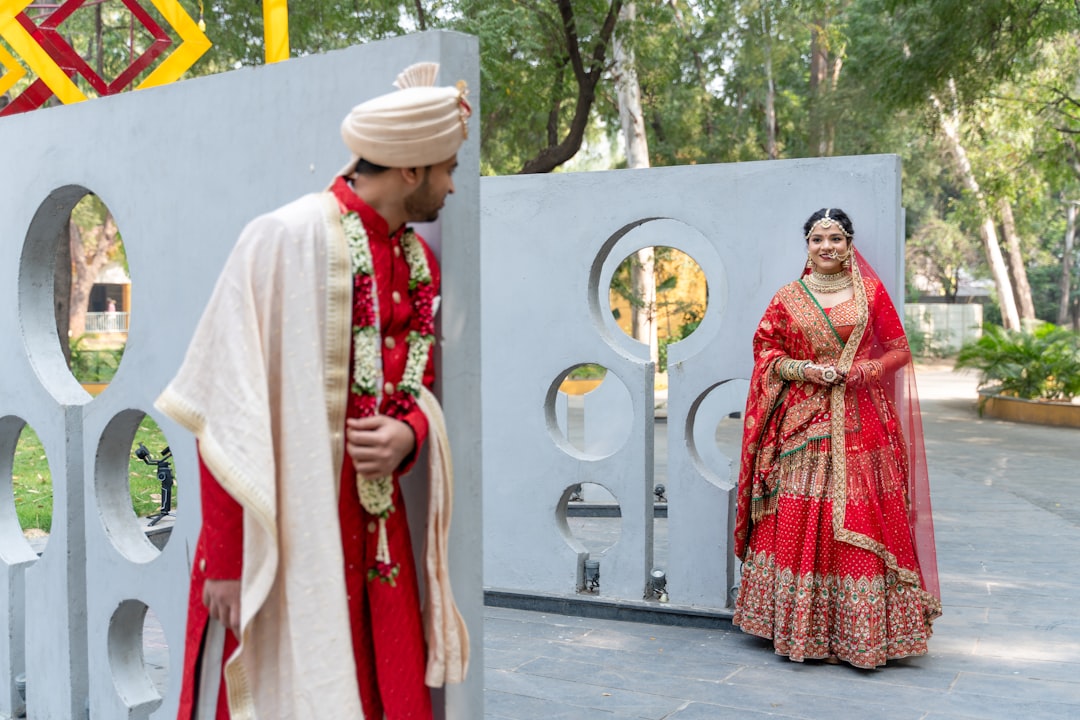
The Allure of Indian Wedding Lehengas: A Complete Guide The history of wedding lehengas draws me in as I explore the diverse fabric of Indian culture. The lehenga, which began as traditional clothing on the Indian subcontinent, has changed over the centuries to reflect the various cultural influences that have molded India. These clothes originally represented grace and elegance and were worn by women of royal ancestry. The lehenga was frequently worn with a dupatta and choli to create a sumptuous and regal ensemble.
Key Takeaways
- Indian wedding lehengas have a rich history dating back centuries, with intricate designs and vibrant colors.
- Traditional designs feature heavy embroidery and traditional motifs, while contemporary designs incorporate modern elements and silhouettes.
- Choosing the right fabric for your lehenga is crucial for comfort and style, with popular options including silk, velvet, and georgette.
- Embellishments and embroidery techniques such as zardozi, gota patti, and mirror work add a luxurious touch to Indian wedding lehengas.
- The importance of color in Indian wedding lehengas cannot be overstated, with red symbolizing love and marriage, and other colors representing different cultural and regional significance.
As time went on, the lehenga moved from royal courts to brides’ hearts all over the country. Intricate patterns and opulent textiles, which I find fascinating, became widely popular during the Mughal era. The intricate embroidery and vibrant color schemes brought about by Mughal aesthetics made the lehenga a mainstay of bridal attire. Currently, as I experiment with different looks and patterns, I value how the lehenga has evolved into a creative medium that lets brides express their uniqueness while respecting custom. A striking contrast between traditional & modern styles comes to mind when I consider the evolution of lehenga designs.
Classic silhouettes, elaborate embroidery, and vivid colors that honor cultural heritage are common features of traditional lehengas. Nature, mythology, and local craftsmanship are frequently incorporated into these designs. My admiration for these classic works is accompanied by a sense of nostalgia for the tales they depict. However, contemporary lehengas maintain aspects of tradition while embracing modern aesthetics. These days, designers try out novel fabrics, unusual cuts, and simple embellishments.
The way that modern lehengas frequently combine Indian craftsmanship with Western influences to create distinctive pieces that appeal to contemporary brides’ tastes excites me. I can now appreciate both the history & the development of bridal fashion thanks to this fusion, which also makes it simpler for brides to select a lehenga that suits their individual style. A vital step in guaranteeing comfort and style on my wedding day is choosing the appropriate fabric for my lehenga. There are several types of fabrics that can improve the lehenga’s overall appearance.
| Lehenga Color | Lehenga Fabric | Embroidery Type | Price Range |
|---|---|---|---|
| Red | Silk | Zardosi | 500 – 1000 |
| Pink | Velvet | Resham | 800 – 1500 |
| Gold | Net | Sequins | 1000 – 2000 |
Silk is a timeless option that is renowned for its opulent sheen and drape. What appeals to me about silk lehengas is their ability to look luxurious without sacrificing comfort. If I want something more flowy and breathable, I might instead choose lighter materials like georgette or chiffon. These materials enable me to move elegantly without feeling constrained, making them ideal for summer celebrations or outdoor weddings.
Fabrics like velvet or brocade, particularly for winter weddings, can also give my ensemble depth and richness, in my opinion. A crucial part of my lehenga selection process is choosing the fabric, which will ultimately depend on the time of year, the location, and my level of comfort. I’m constantly in awe of the range of embroidery styles & embellishments that can turn an ordinary garment into a work of art as I learn more about lehengas. Traditional embroidery techniques that have been handed down through the generations, like zardozi, resham work, and mirror work, each use elaborate designs to tell a unique story.
These methods are amazing because they give my lehenga dimension and texture, which makes it genuinely one-of-a-kind. Modern embellishments like sequins, beads, and crystals are frequently used by contemporary designers in addition to conventional techniques. A stunning effect that beautifully captures the light can be produced by these components. As I weigh my options, I see that the embellishments I choose will have a big influence on my lehenga’s overall appearance.
Knowing these techniques enables me to make well-informed decisions that complement my vision for my wedding attire, regardless of my preference for a piece that is heavily embellished or more understated. Selecting the ideal color for my lehenga is both an exciting and difficult task, as color is crucial in Indian weddings. Red, which represents love and prosperity, has historically been the color of choice for brides. But as I look into contemporary styles, I find that brides are embracing a wide range of colors.
Each color, from delicate pastels to striking jewel tones, has a unique meaning and emotional impact. The way that different colors can arouse different emotions and establish the mood for my wedding day intrigues me. Pink & peach, for example, are romantic & feminine hues, whereas deep blues & greens are sophisticated and elegant. I also like how some brides choose to make a statement by using unusual hues like lavender or gold. In the end, the color I choose will represent both my personal taste & the overarching theme of my wedding reception. To complete my bridal look, I must accessorize my lehenga.
The correct accessories can improve my look overall by adding a glamorous touch to my ensemble. Traditional jewelry that goes well with the elaborate patterns of my lehenga, like jhumkas or maang tikka, is what I usually consider when choosing jewelry. In addition to adding flair to my ensemble, these classic pieces help me stay true to my cultural heritage. I also think about other accessories like potlis and dupattas in addition to jewelry.
A gorgeously draped dupatta allows me to experiment with color & texture while adding layers to my ensemble. Not only are potli bags useful, but they also make fashionable accents that complete my ensemble. As I consider my options for accessories, I see that each one helps to create a unified look that captures my individuality on my special day. Getting to customize a lehenga is one of the most exciting parts of the process. I can’t wait to incorporate my individuality into every aspect of my attire as I set out on this adventure. Through customization, I can choose particular materials, hues, and accents that speak to me personally.
My lehenga is genuinely unique thanks to this process, which includes incorporating family heirlooms into my design or adding a distinctive embroidery pattern. Also, I get to create a silhouette that precisely fits my body shape when I work with a designer or tailor. I value how personalization lets me express who I am while still respecting tradition. My lehenga is made unique by this personal touch, which also leaves enduring memories of its making.
For comfort and style on my wedding day, I need to find the ideal lehenga fit. I remind myself as I go through this process to put comfort and beauty first. Taking precise measurements well in advance is a crucial tip to make sure that any changes can be made in time. My figure is accentuated and my range of motion is allowed when I work closely with a talented tailor.
Before deciding, I also think about trying on various silhouettes and styles. Depending on the cut & fabric, each design may fit differently, so trying out different options enables me to determine what suits me the best. I remind myself that confidence is essential as I concentrate on getting the ideal fit because when I’m at ease in my lehenga, it shows throughout my special day.
Modern brides are reinventing traditional lehengas, which excites me as I research current bridal fashion trends. One popular trend is the use of unusual silhouettes that defy convention while still being elegant, such as crop tops worn with long skirts or asymmetrical hemlines. This new method respects cultural heritage while allowing me to express my uniqueness.
The use of sustainable practices in bridal fashion is another trend that appeals to me. Nowadays, a lot of designers are emphasizing ethical production practices and environmentally friendly materials, which align with my values as a conscientious consumer. Choosing eco-friendly materials for my lehenga will allow me to look beautiful on my wedding day and have a positive influence.
Budgetary considerations are crucial when organizing my wedding attire because they allow me to make well-informed decisions without sacrificing quality or style. Thankfully, brides looking for gorgeous lehengas that don’t break the bank have a wide variety of affordable options. Beautiful things at reasonable prices can be found by searching local markets or internet marketplaces.
Also, I can access high-quality designer pieces without breaking the bank by taking into account pre-owned or rental options. Nowadays, a lot of brides choose to use rental services that provide beautiful lehengas at a fraction of their retail cost. This option suits my budget and my desire for a variety of bridal styles.
As I eagerly await my wedding day, I also consider how I will maintain & care for my lehenga once the festivities are over. With the right care, this beloved item of clothing will stay immaculate for many years to come, whether it is being worn for special occasions or as a priceless heirloom. In order to get rid of any stains or dirt that may have accumulated during the festivities, I intend to have my lehenga professionally cleaned soon after the wedding. Over time, fading or damage can be avoided by keeping it out of direct sunlight & in a cool, dry place.
I can make sure my lehenga will always be a lovely memento of one of the most important days of my life by following these maintenance and preservation instructions. In summary, learning about the rich history and cutting-edge modernity of Indian wedding lehengas has been an eye-opening experience. A distinctive bridal experience that reflects individual style & cultural heritage can be created by embracing modern trends as well as comprehending traditional designs. I am thankful for the chance to celebrate love with this exquisite garment, which is a true testament to Indian wedding tradition and artistry, as I get ready for this special occasion.
If you’re planning to attend an Indian wedding and are on the lookout for the perfect lehenga, you might find some inspiration in the latest trends and styles featured on various fashion platforms. For a comprehensive guide on Indian wedding lehengas, including tips on choosing the right fabric, color, and embellishments, you can explore the detailed articles available on fashion websites. One such resource is Fashion Clothes, where you can discover a wide range of options and expert advice to help you make the best choice for your special occasion.
FAQs
What is an Indian wedding lehenga?
An Indian wedding lehenga is a traditional outfit worn by brides during wedding ceremonies in India. It typically consists of a long skirt, a blouse, and a dupatta (scarf).
What are the different styles of Indian wedding lehengas?
There are various styles of Indian wedding lehengas, including A-line, mermaid, fishtail, and traditional flared lehengas. Each style has its own unique silhouette and design.
What are the typical colors and fabrics used for Indian wedding lehengas?
Indian wedding lehengas are often made in vibrant colors such as red, pink, and orange, and are commonly crafted from luxurious fabrics like silk, velvet, and brocade.
What are some common embellishments and designs found on Indian wedding lehengas?
Indian wedding lehengas are often adorned with intricate embroidery, zari work, sequins, beads, and stones. They may also feature traditional motifs such as paisleys, florals, and peacocks.
What are some popular accessories worn with Indian wedding lehengas?
Brides often pair their Indian wedding lehengas with traditional jewelry such as maang tikka, earrings, necklaces, and bangles. They may also wear ornate footwear and carry a decorative clutch or potli bag.