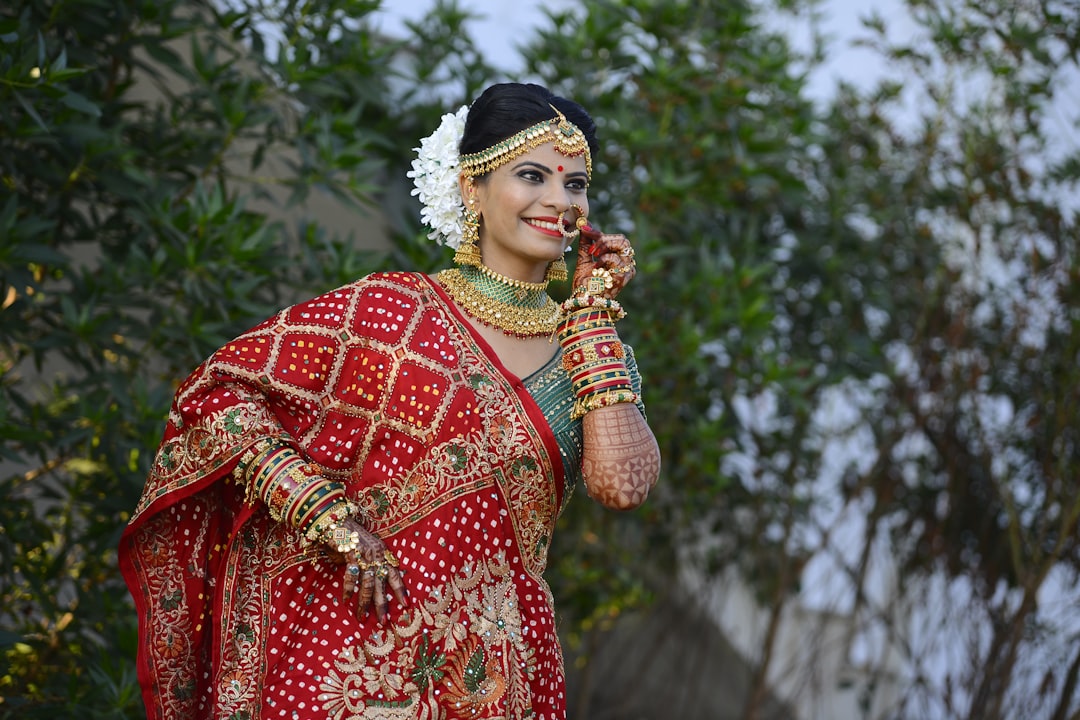
I picture a rich tapestry of hues, textures, and customs when I think of Indian party dresses. Indian fashion is a fascinating topic to study because it is a stunning fusion of traditional traditions and contemporary style. India’s clothing, particularly the party dresses worn at festivals, weddings, and celebrations, reflects the country’s rich cultural heritage. These clothes have deep cultural significance in India in addition to being a tool for self-expression.
Key Takeaways
- Indian party dresses are known for their vibrant colors, intricate designs, and rich cultural significance.
- Traditional Indian party dresses include sarees, lehengas, and anarkalis, often adorned with traditional embroidery and embellishments.
- Modern Indian party dresses feature contemporary silhouettes, fusion designs, and trendy cuts, catering to the evolving fashion preferences.
- Fabrics like silk, chiffon, georgette, and velvet are commonly used for Indian party dresses, offering a luxurious and elegant appeal.
- Embellishments such as zari work, mirror work, sequins, and intricate embroidery add a touch of opulence to Indian party dresses.
As I learn more about Indian party dresses, I discover that they are a celebration of identity, culture, and artistry rather than merely a piece of apparel. Every detail, from the elaborate patterns to the fabric selection, has a narrative to tell. The different designs of Indian party dresses, the materials and decorations that give them their individuality, and how to pick and style them for any occasion will all be covered in this post. The varied history and culture of India are reflected in the traditional party attire.
The saree, a long piece of fabric draped elegantly around the body, is one of the most recognizable traditional attires. The saree is more than just a piece of clothing; it is a representation of elegance and femininity. I adore the distinctive ways that every Indian region drapes the saree, exhibiting regional artistry and craftsmanship.
For example, the Banarasi sarees from Varanasi are renowned for their elaborate gold and silver brocade work, while the Kanjeevaram sarees from Tamil Nadu are renowned for their rich silk & vivid colors. The lehenga choli is yet another traditional garment that I adore. This outfit usually consists of a dupatta (scarf), a fitted blouse (choli), & a flared skirt (lehenga). The lehenga choli is a popular choice for weddings and other festive occasions because it is frequently embellished with intricate embroidery.
| Dress Type | Features | Occasion |
|---|---|---|
| Lehenga Choli | Embroidery, embellishments, vibrant colors | Weddings, festivals |
| Anarkali Suit | Flowy silhouette, floor-length, intricate designs | Parties, formal events |
| Saree | Rich fabrics, intricate patterns, elegant draping | Weddings, traditional ceremonies |
| Sharara Suit | Flared pants, short kurta, heavy embroidery | Cocktail parties, festive gatherings |
I like how this ensemble radiates elegance while allowing for comfort and movement. These clothes are a mainstay in any Indian woman’s wardrobe because of their classic silhouettes and designs. I’m drawn to the intriguing combination of traditional & modern elements in contemporary Indian party dresses. In order to create ensembles that satisfy the tastes of today’s fashion-forward people, designers are increasingly experimenting with silhouettes, cuts, and fabrics.
The anarkali suit is one style that has caught my attention; it fits a variety of body shapes thanks to its long, flowing silhouette. The anarkali is adaptable for various settings because it can be styled in a variety of ways. The fusion dress, which blends traditional Indian fabrics and motifs with Western styles, is another contemporary interpretation of Indian party wear.
Indian embroidery or block prints, for instance, have been incorporated into Western-style gowns. Many contemporary young women find appeal in the distinctive aesthetic that is produced by this blending of cultures. The way that contemporary Indian fashion keeps developing while paying homage to its heritage excites me.
An Indian party dress’s overall appearance and texture are greatly influenced by the fabric selection. I frequently take into account materials like velvet, georgette, chiffon, and silk when choosing a dress. The drape and texture of the garment are influenced by the distinct qualities of each fabric. Silk, for example, is renowned for its smooth texture and opulent sheen, which make it the perfect material for formal settings.
Georgette & chiffon, on the other hand, are flowy & light, making them ideal for ethereal styles. I also like how different fabrics can evoke different styles and moods. Velvet, for instance, adds warmth and opulence, making it appropriate for winter festivities.
For summer events, however, lighter materials like linen or cotton are more comfortable & breathable. Knowing these fabrics’ characteristics will help me choose my party dresses wisely. In Indian party dresses, embroidery and embellishments are essential because they give each item depth and personality.
Intricate beadwork, sequins, and mirror work that gleams beautifully come to mind when I think of embellishments. These embellishments enhance the dress’s overall appearance and lend it appropriateness for celebratory settings. Even small accents, in my opinion, have the power to elevate an ordinary ensemble. Another thing that interests me is embroidery.
Indian craftspeople’s talent & skill are displayed through traditional methods like zardozi, chikankari, and kantha. Every stitch reflects the cultural heritage of various regions and tells a story. Zardozi embroidery, for example, adds a royal touch to clothing through its intricate gold thread work. I adore how these decorations connect me to India’s rich artistic traditions while also enhancing the aesthetic appeal. With so many styles to choose from, picking the perfect Indian party dress can be difficult. To find the ideal fit, I’ve discovered that knowing my body type is essential.
For instance, I usually choose to wear fitted anarkalis or lehenga cholis that draw attention to my waist if I have an hourglass figure. These looks are comfortable while showcasing my curves. I tend to choose A-line silhouettes that flow away from my hips, however, if my body is pear-shaped.
This improves my appearance overall and establishes balance. I also look for sleeve styles & necklines that accentuate my shoulders and neckline. When choosing an outfit, I can make sure that I look and feel beautiful at any event by taking my body type into account. Accessories are essential to finishing off the appearance of an Indian party dress. I prefer to accessorize my looks with pieces that enhance the dress without overpowering it. If I’m wearing a lehenga choli with a lot of embellishment, for example, I might choose to wear simple jewelry, like a bracelet or delicate earrings, to keep the attention on the ensemble.
In contrast, I might add flair with statement pieces like large necklaces or striking earrings if my dress is more understated. While choosing accessories, I also take the color scheme into account. While contrasting colors can add a sense of surprise, coordinating colors can produce a harmonious look. In the end, I think that accessories should complement my ensemble & express my individual style.
Makeup and hairstyle are crucial elements of my overall appearance when I’m wearing an Indian party dress. Depending on my outfit’s style, I select hairstyles that go well with it. To further the traditional feel, I might choose an exquisite updo with fresh flowers or hair accessories if I’m wearing a traditional saree or lehenga choli with elaborate embroidery. Another thing I like to experiment with is makeup. Soft eye makeup can produce an ethereal effect, while a bold lip color can add drama to my appearance.
When selecting makeup colors, I frequently take my outfit’s color scheme into account. Warm tones go well with rich materials like velvet or silk, while cooler tones go well with lighter materials like georgette or chiffon. My ultimate objective is to combine my personal style with the elegance of my selected dress to create a unified ensemble.
In my search for Indian party dresses, I have found a number of stores that accommodate a range of preferences and price ranges. In addition to finding one-of-a-kind clothing, local boutiques frequently carry distinctive items made by regional artists, enabling me to support small businesses. There are also traditional clothing markets in many cities where I can find a variety of styles at reasonable costs.
Also, buying Indian party dresses online has grown in popularity. Ethnic clothing is the focus of numerous websites that provide a large selection of designs. Because of this convenience, I can easily compare prices and peruse an endless number of styles from the comfort of my home. But in order to prevent disappointments, I always make sure to look at size charts and read reviews before making a purchase. DIY Indian party dress ideas can be very fulfilling for people who like to craft or who wish to personalize their ensembles.
Upcycling an old saree into a contemporary dress or skirt is one project I’ve thought about. I can make something one-of-a-kind that expresses my style by cutting and sewing it into a new silhouette while maintaining its allure. An additional concept is to use Indian-inspired fabric paint or traditional embroidery techniques to adorn a basic dress. This celebrates cultural artistry while allowing me to express my creativity through my attire.
Not only do do-it-yourself projects allow you to express yourself, but they also produce sentimental clothing. Party dresses from India have deep cultural meaning that goes beyond current styles. Every article of clothing conveys a tale about identity, custom, and heritage.
I feel a connection to the centuries of history and craftsmanship that have molded Indian party dresses into what they are today when I wear one. Also, these gowns frequently play an important part in important life events like festivals or weddings, where they represent happiness & celebration in local communities. The spirit of unity during these events is reflected in the rich colors and elaborate designs.
In addition to honoring my heritage, I also pay tribute to the artists who put their all into making these exquisite pieces by including Indian party dresses in my wardrobe. In summary, learning about Indian party dresses has been a creative & culturally engaging experience. Every style, from contemporary fusion clothing to traditional sarees, celebrates India’s rich cultural diversity while offering something distinctive. Understanding the materials, embellishments, body shapes, styling advice, shopping options, do-it-yourself projects, and cultural significance of these garments has given me a better understanding of how they influence how we as individuals define ourselves in today’s society.
When it comes to selecting the perfect Indian party dress for ladies, it’s essential to consider not just the outfit itself but also how to complement it with the right accessories. A beautifully styled ensemble can be elevated with the perfect choice of jewelry, handbags, and shoes. For those looking to enhance their look further, especially if you have voluminous hair, you might find some useful insights in this related article on styling tips for big hair with the perfect accessories. This guide provides valuable advice on how to balance your hairstyle with your attire, ensuring you make a stunning impression at any event.
FAQs
What is an Indian party dress for ladies?
An Indian party dress for ladies is a traditional outfit worn by women in India for special occasions and celebrations. It typically includes a variety of styles such as sarees, lehengas, salwar kameez, and Anarkali suits.
What are the different types of Indian party dresses for ladies?
Some of the different types of Indian party dresses for ladies include sarees, lehengas, salwar kameez, Anarkali suits, and gowns. Each type has its own unique style, fabric, and embellishments.
What are the common fabrics used in Indian party dresses for ladies?
Common fabrics used in Indian party dresses for ladies include silk, chiffon, georgette, crepe, velvet, and net. These fabrics are often embellished with embroidery, sequins, beads, and other decorative elements.
What are the popular colors for Indian party dresses for ladies?
Popular colors for Indian party dresses for ladies include vibrant hues such as red, pink, orange, and royal blue, as well as rich jewel tones like emerald green, sapphire blue, and deep purple. Gold and silver are also commonly used for embellishments.
How are Indian party dresses for ladies accessorized?
Indian party dresses for ladies are often accessorized with traditional jewelry such as earrings, necklaces, bangles, and maang tikka. Additionally, women may wear embellished footwear such as sandals or heels, and carry a matching clutch or potli bag.