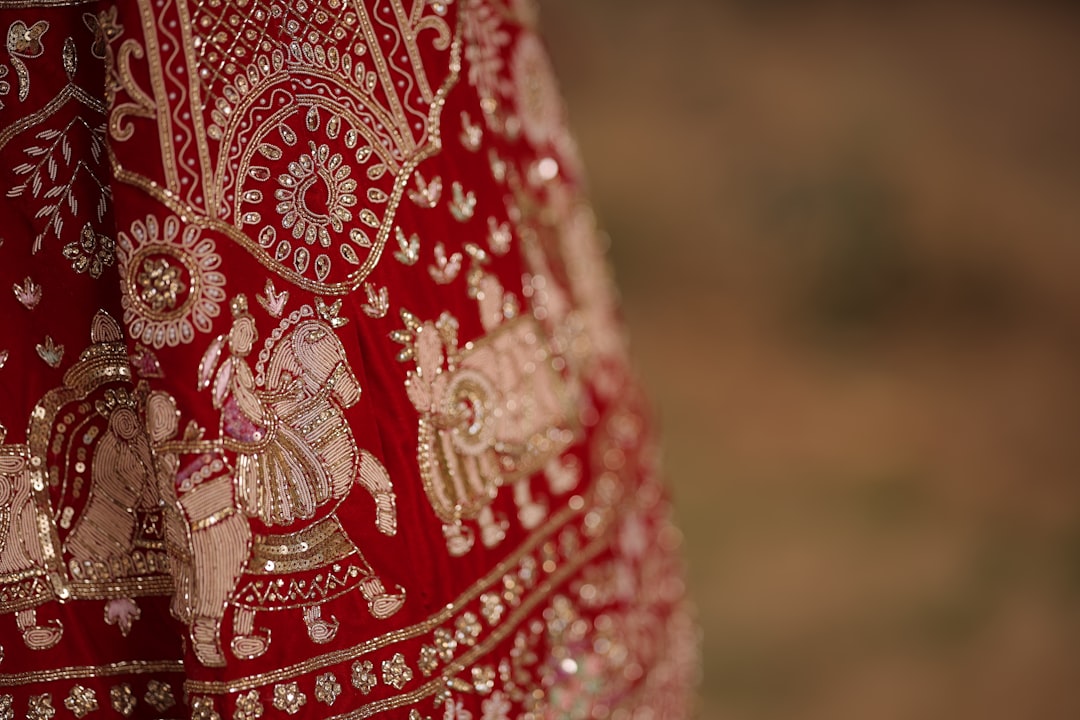
The Allure of the White Indian Wedding Dress My thoughts frequently turn to how customs change over time when I consider the history of the white Indian wedding dress. White wedding dresses are not indigenous to Indian culture; they were first popularized during the British colonial era. Prior to this influence, Indian brides usually wore brightly colored clothing that had deep cultural meaning, such as red, green, and gold. White was rarely worn for happy events like weddings because it was traditionally connected to mourning. But as Indian society became more influenced by the West, the white wedding gown started to become more & more popular, particularly among the city’s elite. The adoption of the white wedding dress represents a blending of cultures, as I learn more about this history.
Key Takeaways
- The white Indian wedding dress has a rich history influenced by colonialism and Western fashion trends.
- White holds significant cultural symbolism in Indian weddings, representing purity, new beginnings, and the start of a new life.
- Traditional elements of the white Indian wedding dress include intricate embroidery, luxurious fabrics, and ornate detailing.
- Modern interpretations of the white Indian wedding dress incorporate contemporary silhouettes, fusion designs, and innovative embellishments.
- Famous designers have created stunning collections of white Indian wedding dresses, blending traditional craftsmanship with modern aesthetics.
The desire for modernity while clinging to traditional values and the shifting dynamics of Indian society are both reflected in it. Designers can now express their creativity by incorporating elaborate embroidery and embellishments that honor Indian craftsmanship into the white dress. Due to the distinctive interpretation of the white wedding dress that has resulted from this blending of styles, it is now a popular choice among brides.
According to my research, white is a color associated with purity & fresh starts in Indian wedding culture. The color white has been redefined in relation to weddings, despite its traditional association with mourning. For brides starting their marital journey, it represents a new beginning. The way that cultural perceptions can change over time is demonstrated by this intriguing meaning transformation.
Also, the use of white at weddings can be interpreted as a reflection of globalization and modernity. White wedding dresses are now seen as a sign of sophistication and elegance as more Indian brides adopt Western traditions. While still respecting their heritage, it enables brides to express their uniqueness. In this sense, white has evolved beyond its initial meaning and is now a fundamental component of Indian wedding culture today. I’m amazed by how frequently these dresses feature intricate cultural motifs & craftsmanship as I look at the traditional components of the white Indian wedding dress.
| Metrics | Data |
|---|---|
| Number of Dresses | 50 |
| Material | Cotton, Silk, Chiffon |
| Colors | White, Ivory |
| Designs | Embroidery, Beading, Lace |
| Price Range | 500 – 5000 |
Even though white may be the primary color, elaborate beadwork, sequins, & embroidery that showcase local artistry are frequently seen. For example, a lot of dresses have floral or paisley patterns, which are traditional and have their roots in Indian aesthetics. Also, traditional silhouettes are essential for defining the white wedding gown…
White fabric frequently reimagines traditional styles like sarees, lehengas, and anarkalis, enabling brides to embrace a contemporary color scheme while still feeling connected to their cultural heritage. These gowns are aesthetically stunning due to the layering of fabrics & the use of opulent materials like silk or chiffon, which give them depth and texture. I’ve seen a rise in contemporary, non-traditional takes on the white Indian wedding gown in recent years. In an effort to depart from conventional silhouettes, designers are experimenting with unusual cuts and styles. Some brides choose modern gowns or fitted suits, for instance, which combine aspects of Indian culture with their own personal style.
Also, contemporary interpretations frequently incorporate ethical and sustainable fashion practices. Brides can now choose designs that reflect their values because many designers are concentrating on environmentally friendly materials and production techniques. In addition to being novel, this move toward conscious consumption is also a sign of a larger movement in the fashion sector.
The creations of well-known designers who have significantly influenced the white Indian wedding dress scene enthrall me as I delve deeper into the world of fashion. Beautiful collections that honor tradition & modernity have been produced by designers such as Sabyasachi Mukherjee and Anita Dongre. The idea of a white wedding dress is elevated by their designs, which frequently include elaborate detailing and opulent fabrics. For example, vintage lace & delicate embroidery are frequently used in Sabyasachi’s collections to honor India’s rich textile history.
Conversely, Anita Dongre’s designs often honor traditional craftsmanship while showcasing a more modern aesthetic. Due in large part to these designers, white wedding dresses have become increasingly popular among Indian brides and are now a popular option for weddings all over the nation. When I consider how to finish the appearance of a white Indian wedding dress, I think of jewelry and accessories as crucial components that improve the overall style. Traditional jewelry pieces such as choker necklaces, jhumkas, and maang tikkas give the ensemble a hint of luxury. A dramatic visual impact is produced by the contrast between the immaculate white dress and the glistening gold or silver jewelry. Accessories like stoles or dupattas can also improve the appearance.
In order to add a splash of color that complements their wedding theme, many brides decide to drape a vibrant dupatta over their white dress. Brides can show off their individuality while still following cultural customs by carefully choosing their jewelry and accessories. With so many styles to choose from, selecting the ideal white Indian wedding dress can be a daunting task.
I find that choosing a dress while navigating this process requires careful consideration of my body type. For example, A-line silhouettes can highlight curves and offer comfort for movement all day long. They are also universally flattering. Choosing an anarkali or fitted gown can make me appear longer if I have a smaller frame.
However, if I have a larger frame, an empire waist dress can help emphasize my silhouette while still enabling me to move freely. Knowing my body type gives me more confidence on my special day & aids in choosing a design that flatters me. Unquestionably, Bollywood has influenced Indian fashion trends, particularly those pertaining to white wedding gowns. I am frequently influenced by the gorgeous attire worn by the actresses in movies that depict glitzy weddings.
Their depictions of love tales frequently feature stunning white gowns with elaborate details that enthrall viewers. Beyond aesthetics, Bollywood has a significant impact on how people view weddings in their culture. Designers are quick to react, producing collections that mirror these cinematic trends, as more brides turn to their favorite celebrities for inspiration. Bollywood and fashion have a mutually beneficial relationship that keeps growing, which makes it a thrilling time for brides looking for distinctive looks. I have the chance to show my uniqueness on one of the most significant days of my life by styling and customizing my white Indian wedding gown.
An efficient method to accomplish this is by adding sentimental embellishments or embroidery as personal touches. Adding my initials or a significant symbol, for instance, can make my dress genuinely unique. Also, I can improve my overall appearance by experimenting with different hairstyles & makeup looks. Whether I go for a sophisticated updo with fresh flowers or loose waves that fall over my shoulders, either style will look great with my dress.
In the end, personalizing my appearance makes me feel confident and genuine as I walk down the aisle. I find it fascinating how regional differences affect the design of white wedding dresses as I investigate India’s diversity. In states such as Punjab, brides may choose to wear vibrant dupattas that contrast beautifully with the white fabric, along with heavily embroidered lehengas.
South Indian brides, on the other hand, might select sophisticated silk or cotton sarees with elaborate weaving designs. Local traditions and customs are reflected in the distinctive flair that each region adds to the white wedding dress. This diverse range of styles enables brides from various backgrounds to embrace modern trends while honoring their heritage. This variety contributes to the vibrancy and allure of Indian weddings.
As trends continue to change and advance, I am enthusiastic about the white Indian wedding dress’s future. As ethical fashion & sustainability gain more attention, I expect to see more designers incorporate eco-friendly production techniques and materials into their collections. In addition to following worldwide trends, this change appeals to ethical shoppers looking for worthwhile options. Also, technology is probably going to have a big influence on how designs are made in the future.
Technology breakthroughs like virtual fittings and 3D printing will let brides personalize their gowns like never before. I am excited about how these developments will reshape what it means to wear a white Indian wedding gown as I picture this future scene. In conclusion, I have discovered a rich tapestry made from history, culture, and individual expression through my exploration of the world of white Indian wedding gowns. The allure of the white wedding dress continues to enchant brides throughout India and beyond, despite the evolution of traditions and the emergence of contemporary interpretations.
When it comes to choosing a wedding dress, many brides are opting for unique styles that blend cultural elements, such as a white Indian wedding dress. This fusion of traditional Indian attire with the classic white wedding gown creates a stunning and meaningful ensemble. For those interested in exploring more about this trend, you can find a variety of options and inspirations by visiting the Fashion Clothes Shop. Here, you’ll discover a curated selection of wedding dresses that beautifully combine elegance and cultural heritage, perfect for making your special day even more memorable.
FAQs
What is a white Indian wedding dress?
A white Indian wedding dress is a traditional outfit worn by brides during their wedding ceremonies in India. It is typically a white or off-white colored garment that may be adorned with intricate embroidery, beading, and other embellishments.
Is it common for Indian brides to wear white wedding dresses?
While white wedding dresses are not traditionally worn by Indian brides, the influence of Western culture has led to an increasing number of brides choosing to wear white or off-white dresses for their weddings.
What are the traditional colors for Indian wedding dresses?
Traditional Indian wedding dresses are often in vibrant colors such as red, pink, orange, and gold. These colors are considered auspicious and are symbolic of joy, prosperity, and fertility in Indian culture.
What are the cultural significance of white Indian wedding dresses?
The choice to wear a white Indian wedding dress may symbolize purity, innocence, and new beginnings for the bride. It may also reflect the bride’s personal style and modern preferences while still honoring traditional customs.
What are some popular styles of white Indian wedding dresses?
Popular styles of white Indian wedding dresses include the saree, lehenga choli, and Anarkali suits. These garments may be embellished with intricate embroidery, sequins, and other decorative elements to create a stunning bridal look.